

Gut Health 101: Root Causes, Symptoms, and How to Heal Your Gut Naturally
“Trust your gut.” You’ve heard it before. But what happens when your gut is the thing you can’t trust?
Maybe you’re bloated after every meal. Maybe your stomach has its own unpredictable schedule. Maybe you’ve noticed that your digestion, your energy, your mood, and even your skin seem connected in ways you can’t quite explain, but you know something’s off.
Here’s what most people don’t realize: your gut isn’t just about digestion. It’s the control center for your entire body. Your gut health affects your immune system, your brain function, your hormone balance, your energy levels, and your ability to absorb the nutrients that keep you alive. When your gut isn’t working properly, nothing else works quite right either.
The good news? Your gut is also incredibly resilient. With the right support, it can heal, and when it does, the ripple effects touch every part of your life.
This guide will walk you through everything you need to know about gut health: why it matters so much, how to recognize when your gut needs help, what’s actually causing your symptoms, and most importantly, what you can do about it naturally.
P.S. Free 3-Day Gut Reset Below
Why Gut Health Matters More Than You Think
Your gut does a lot more than process the food you eat.
The Gut-Brain Connection
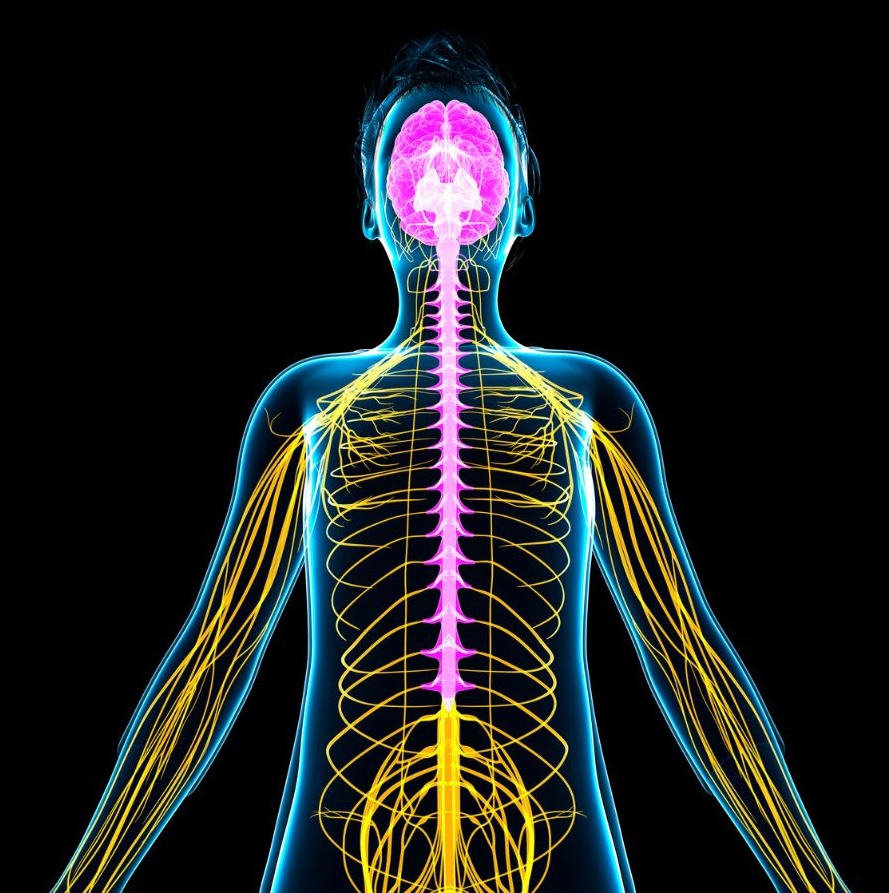
Your gut and your brain are in constant communication through what scientists call the gut-brain axis. In fact, your gut produces about 90% of your body’s serotonin (the neurotransmitter that regulates mood, sleep, and appetite).
This is why:
- Gut issues often come with anxiety or depression
- Stress immediately impacts your digestion
- “Gut feelings” are actually real neurological signals
- Brain fog and poor concentration often trace back to gut dysfunction
Think about the last time you had a big presentation or stressful event. Did your stomach feel it? That’s the gut-brain axis at work. But when that connection is chronically disrupted, when your gut is inflamed, imbalanced, or damaged, it doesn’t just affect your digestion. It affects how you think, how you feel, and how you show up in your life.
Your Gut and Immunity
Here’s something that surprises most people: about 70% of your immune system lives in your gut. The lining of your digestive tract is packed with immune cells that decide what gets absorbed into your bloodstream and what gets eliminated.
When your gut lining is healthy, it acts like a selective security system, letting nutrients through while keeping toxins, pathogens, and undigested food particles out. When it’s compromised (something called increased intestinal permeability or “leaky gut”), your immune system goes into overdrive, reacting to things that shouldn’t be problems.
This is why gut dysfunction shows up as:
- Frequent infections or illness
- Autoimmune conditions
- Chronic inflammation
- Allergies and sensitivities that seem to multiply
- Skin issues like eczema, acne, or rashes
Energy, Mood, and Everything Else
Your gut is where you extract energy from food. If your digestion isn’t working properly, you’re not absorbing the nutrients you need, no matter how healthy your diet is.
Poor gut health is often the hidden reason behind:
- Chronic fatigue that doesn’t improve with rest
- Nutrient deficiencies (iron, B vitamins, magnesium) despite supplementation
- Blood sugar imbalances and energy crashes
- Hormonal issues (your gut processes and eliminates hormones)
- Weight that won’t budge, no matter what you try
At Wellness IQ, we see this all the time: someone comes in focused on their fatigue or their mood or their hormones, and when we dig into their gut health, we find the missing piece that explains everything else.
Signs Your Gut Needs Attention
So how do you know if your gut health is the problem? Here are the most common signs:
Digestive Symptoms (The Obvious Ones)
Bloating and distension. If you feel like you’re pregnant by the end of the day, or your stomach bloats after most meals, that’s not normal (even though it’s common).
Irregular bowel movements. You should be having complete, comfortable bowel movements daily. Chronic constipation, diarrhea, or alternating between the two all signal dysfunction.
Gas and burping. Excessive gas (especially foul-smelling) or frequent burping after meals indicates poor digestion and likely bacterial imbalance.
Stomach pain or cramping. Discomfort during or after eating, or chronic stomach pain, means your gut is struggling.
Reflux or heartburn. Despite what conventional medicine suggests, this is often caused by too little stomach acid, not too much.
Beyond Digestion (The Sneaky Ones)
Brain fog and poor concentration. That fuzzy-headed feeling that makes it hard to focus? Often gut-related.
Mood issues. Unexplained anxiety, depression, or irritability that doesn’t respond to typical interventions often has roots in gut dysfunction.
Skin problems. Acne, eczema, rosacea, unexplained rashes: your skin is a reflection of what’s happening inside your gut.Food sensitivities. If your list of foods you “can’t eat” keeps growing, that’s a sign your gut lining needs healing.
Chronic fatigue. Exhaustion that doesn’t improve with sleep often traces back to poor nutrient absorption or gut-driven inflammation.
Autoimmune conditions. Nearly all autoimmune conditions have a gut health component. Healing the gut doesn’t cure autoimmunity, but it’s often essential for managing it.
Hormonal imbalances. PMS, irregular cycles, low libido, or other hormone issues often improve dramatically when gut health is addressed.
Here’s the thing: you don’t have to have obvious digestive symptoms to have gut dysfunction. Many of our clients at Wellness IQ come in for brain fog, skin issues, or fatigue, and they’re surprised when we want to assess their gut health. But once we address it, everything else starts falling into place.
Root Causes of Gut Dysfunction (It’s Not Just Food)
Most people think gut problems are just about what they eat. And yes, diet matters, but it’s rarely the only factor. Here are the real culprits behind gut dysfunction:
Chronic Stress
Remember that gut-brain connection? Stress is one of the biggest gut disruptors. When you’re in chronic stress (fight-or-flight mode), your body diverts resources away from digestion. This means:
- Reduced stomach acid production
- Slower gut motility (food moves through too slowly)
- Decreased nutrient absorption
- Increased intestinal permeability (leaky gut)
- Changes in your gut microbiome composition
This is why people under chronic stress often develop digestive issues seemingly out of nowhere, and why stress management is a non-negotiable part of gut healing.
Poor Diet (But Not How You Think)
Yes, diet matters. But it’s not just about eating “clean.” The bigger issues are:
- Lack of diversity. Eating the same foods every day limits the diversity of your gut bacteria.
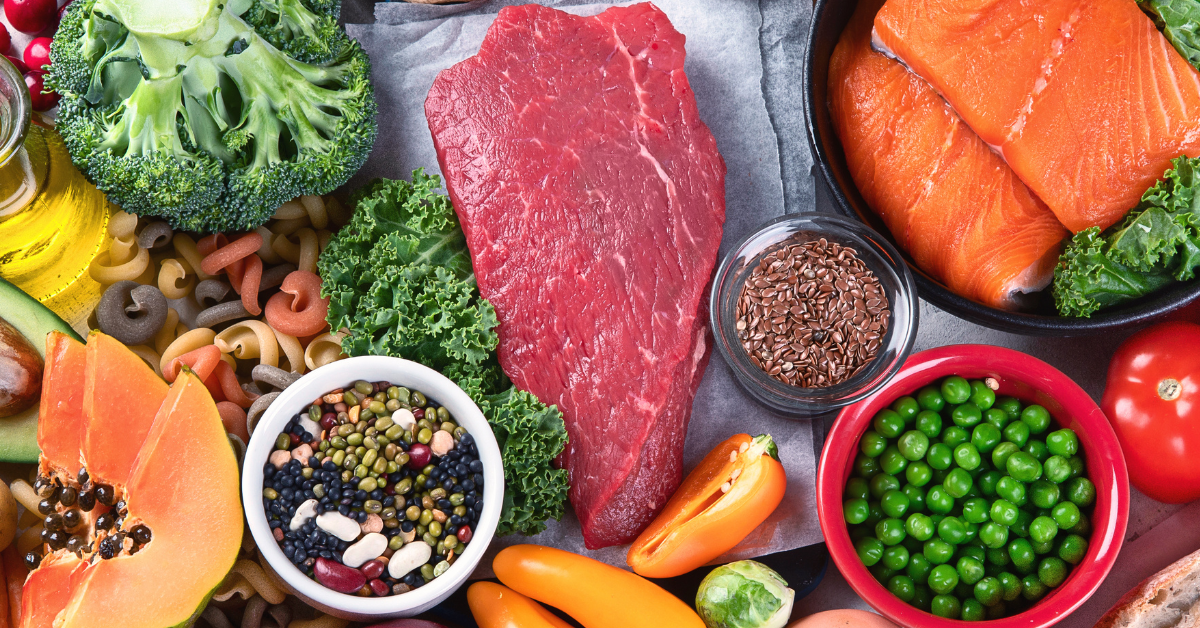
- Insufficient fiber. Your gut bacteria need fiber to thrive. Most people eat less than half of what they need.
- Too many inflammatory foods. Processed foods, refined sugars, industrial seed oils, and artificial ingredients all promote inflammation and dysbiosis.
- Eating too quickly or while stressed. How you eat matters as much as what you eat.
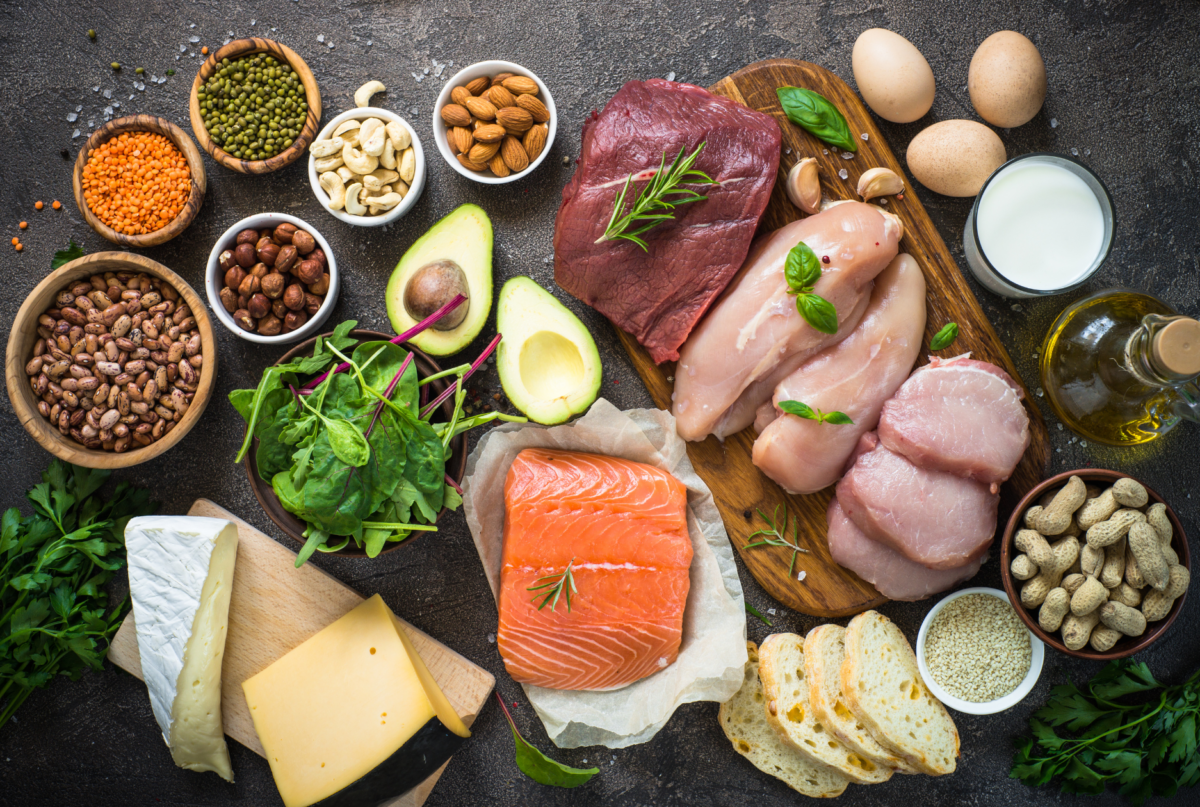
- Undereating protein. Protein is your only building block. 40-50% of the protein you eat is used for gut repair alone. Most people underconsume protein and don’t know it.
Antibiotics and Medications
Antibiotics save lives, but they’re also incredibly disruptive to your gut microbiome. One round of antibiotics can alter your gut bacteria for months or even years.
Other gut-disrupting medications include:
- NSAIDs (ibuprofen, naproxen)
- Proton pump inhibitors (acid-blocking medications)
- Birth control pills
- Corticosteroids
If you’ve taken multiple rounds of antibiotics or been on long-term medications, your gut has almost certainly been affected.
Infections
Sometimes gut dysfunction is caused by actual pathogens:
- Bacterial overgrowth (SIBO). Too many bacteria in the small intestine, or the wrong types of bacteria.
- Parasites. More common than you think, especially if you’ve traveled internationally or have well water.
- Yeast overgrowth (Candida). Often follows antibiotic use or high-sugar diets.
- H. pylori. A bacterial infection that affects stomach acid production and can cause ulcers.
- COVID-19. Yes, COVID and long-COVID are now knows to have profound effects on gut health and the microbiome.
These aren’t always caught on standard testing, which is why functional medicine testing is so valuable.
Environmental Toxins
Your gut has to process everything you’re exposed to:
- Pesticides and herbicides in food
- Heavy metals in water and fish
- Chemicals in personal care and cleaning products
- Mold exposure
- Air pollution
Over time, toxic burden affects your gut’s ability to function properly.
Other Factors
- Not enough sleep. Your gut has its own circadian rhythm. Poor sleep disrupts it.
- Lack of movement. Exercise supports gut motility and microbial diversity.
- Overuse of alcohol. Even moderate drinking can damage gut lining.
- Low stomach acid. Often from stress, aging, or medication use.
The point is: healing your gut isn’t just about changing your diet. It requires addressing the root causes specific to your situation, which is exactly what we do at Wellness IQ.
The Gut Microbiome Explained Simply
You’ve probably heard about the microbiome, but let’s break down what it actually is and why it matters.
Your gut is home to trillions of microorganisms: bacteria, viruses, fungi, and more. Collectively, this is called your gut microbiome. Think of it as an internal ecosystem.
What Your Microbiome Does
Digests food. Especially fiber and complex carbohydrates that your body can’t break down on its own.
Produces vitamins. Certain gut bacteria manufacture B vitamins and vitamin K.
Regulates immunity. Your microbiome trains your immune system to distinguish between threats and harmless substances.
Protects against pathogens. Good bacteria crowd out harmful ones, preventing infections.
Produces neurotransmitters. Including serotonin, dopamine, and GABA.
Regulates inflammation. A balanced microbiome keeps inflammation in check; an imbalanced one drives chronic inflammation.
What Disrupts the Microbiome
Your microbiome can become imbalanced (dysbiosis) when:
- You have too few beneficial bacteria
- Harmful bacteria overgrow
- You lack microbial diversity
- Your gut lining is damaged
Dysbiosis is linked to nearly every chronic health condition: digestive disorders, autoimmune diseases, obesity, diabetes, depression, anxiety, skin conditions, and more.
The Good News
Your microbiome is dynamic. It changes based on what you eat, how you live, and how you manage stress. This means you can influence it (and heal it) with the right approach.
How to Improve Gut Health Naturally
Healing your gut isn’t about following a generic protocol. But there are foundational principles that work for almost everyone. Here’s how we approach gut healing at Wellness IQ:
Step 1: Remove Triggers
You can’t heal what you keep irritating. The first step is identifying and removing what’s causing damage:
Remove inflammatory foods (temporarily). This isn’t about restriction forever; it’s about giving your gut a break while it heals. Common triggers include:
- Gluten (especially for those with sensitivity)
- Dairy (if you have trouble digesting lactose or casein)
- Processed foods, refined sugar, industrial oils
- Alcohol
- Foods you’re personally sensitive to (varies by individual)
Address infections. If you have SIBO, parasites, or other pathogens, they need to be treated. This is where testing becomes invaluable.
Reduce stress. I know, easier said than done. But gut healing won’t stick without stress management. Even small practices (breathwork, short walks, better sleep) make a difference.
Step 2: Support Digestion
Once triggers are removed, we help your gut do its job better:
Optimize stomach acid. Low stomach acid is extremely common (despite what antacid commercials suggest). Without enough acid, you can’t break down protein or absorb minerals properly.
Support with digestive enzymes. These help break down food while your gut heals, reducing bloating and improving nutrient absorption.
Eat mindfully. Chew thoroughly. Don’t eat while stressed. Give your body the signal that it’s safe to digest.
Don’t overeat. Large meals tax your digestive system. Smaller, more frequent meals often work better during healing.
Step 3: Rebuild the Gut Lining
If you have increased intestinal permeability (leaky gut), you need to repair that barrier:
Nutrients that support gut lining:
- L-glutamine (the primary fuel for intestinal cells)
- Zinc carnosine
- Collagen or bone broth
- Omega-3 fatty acids (reduce inflammation)
- Vitamin A and D (support immune function in the gut)
Reduce gut inflammation:
- Remove food triggers (as mentioned above)
- Include anti-inflammatory foods and spices (turmeric, ginger, omega-3s)
- Manage stress (chronic stress keeps gut lining permeable)
Step 4: Rebalance the Microbiome
Once your gut is less inflamed and better supported, we focus on rebuilding a healthy, diverse microbiome:
Feed your good bacteria. They need fiber! Specifically prebiotic fiber found in:
- Garlic, onions, leeks
- Asparagus, artichokes
- Bananas (especially slightly green)
- Oats, beans, lentils
- Apples, berries
Consider targeted probiotics. Not all probiotics are created equal. The right strains depend on your specific issues: this is where personalized functional medicine shines.
Eat fermented foods. Sauerkraut, kimchi, kefir, yogurt (if you tolerate dairy), kombucha: these provide beneficial bacteria and support diversity.
Increase food diversity. Aim for 30+ different plant foods per week. Variety feeds microbial diversity.
This isn’t a one-size-fits-all protocol. At Wellness IQ, we tailor each step to your unique situation: your symptoms, your test results, your lifestyle, your goals.
When to Seek Professional Help
You can absolutely improve your gut health on your own with diet and lifestyle changes. But sometimes, you need more support. Here’s when to consider working with a functional medicine provider:
Your symptoms aren’t improving. If you’ve been trying gut-healing protocols for months without progress, there’s likely a root cause you haven’t identified.
You need personalized guidance. Generic advice isn’t working, and you need someone to interpret your unique patterns and create a targeted protocol.
You suspect an infection. SIBO, parasites, H. pylori, and other infections require specific testing and treatment.
You have complex health issues. Autoimmune conditions, multiple food sensitivities, or severe symptoms need comprehensive functional medicine support.
You’re overwhelmed. There’s so much conflicting information about gut health that you don’t know where to start, or you’ve tried so many things that you’ve lost hope.
What Functional Medicine Offers for Gut Health
At Wellness IQ, our approach to gut healing includes:
Comprehensive functional testing. We use stool testing, blood work, and other assessments to understand exactly what’s happening in your gut, not just guessing.
Personalized protocols. We don’t hand everyone the same supplement list. Your protocol is built for your specific issues, your body, your lifestyle.
Root-cause analysis. We connect the dots between your gut health and everything else; hormones, energy, mood, immune function, skin, weight.
Ongoing support and adjustments. Gut healing takes time, and your protocol needs to evolve as you respond. We check in regularly, track progress, and adjust as needed.
Education and empowerment. We help you understand why, so you can make informed decisions about your health long-term.
Gut-Healing Foods and Lifestyle Practices
While personalized protocols are ideal, here are evidence-based practices that support gut health for almost everyone:
Foods That Heal Your Gut
Bone broth. Rich in collagen, gelatin, and amino acids that repair gut lining.
Wild-caught fatty fish. Salmon, sardines, mackerel: high in anti-inflammatory omega-3s.
Fermented vegetables. Sauerkraut, kimchi: provide probiotics and support diversity.
Cooked vegetables. Easier to digest than raw while healing. Squash, sweet potatoes, carrots, zucchini.
Blueberries and other polyphenol-rich foods. Feed beneficial bacteria and reduce inflammation.
Ginger and turmeric. Powerful anti-inflammatory spices that support digestion.
Healthy fats. Olive oil, avocados, coconut oil: support nutrient absorption and reduce inflammation.
Foods to Limit or Avoid (While Healing)
- Refined sugar and artificial sweeteners
- Processed foods with additives and preservatives
- Industrial seed oils (canola, soybean, corn oil)
- Excess alcohol
- Foods you’re personally sensitive to
Lifestyle Practices for Gut Health
Manage stress daily. Even 5-10 minutes of breathwork, meditation, or gentle movement makes a difference.
Prioritize sleep. Aim for 7-9 hours. Your gut repairs itself during sleep.
Move your body. Exercise supports gut motility and microbial diversity. Even walking counts.
Eat mindfully. Slow down. Chew thoroughly. Don’t eat while stressed or distracted.
Stay hydrated. Water supports digestion and helps eliminate toxins.
Spend time in nature. Exposure to diverse environments supports microbial diversity.
Limit unnecessary antibiotics. Only use them when truly medically necessary, and support your gut afterward if you do.
Real Results: Sarah’s Story
Sarah came to Wellness IQ feeling defeated. She’d been dealing with severe bloating, irregular bowel movements, and constant fatigue for three years. She’d tried elimination diets, expensive probiotics, and countless supplements recommended by Instagram influencers. Nothing worked for more than a few weeks.
Her conventional doctor told her it was IBS and recommended fiber supplements (which made her bloating worse) and stress management. Her labs were “normal,” so there was nothing more to do.
When we ran comprehensive functional testing, we found:
- SIBO (small intestinal bacterial overgrowth)
- Low stomach acid
- Several nutrient deficiencies (iron, B12, vitamin D)
- High inflammation markers
- Signs of increased intestinal permeability
We built Sarah a protocol that addressed each issue:
- Targeted treatment for SIBO
- Support for stomach acid production
- Strategic supplementation for her specific deficiencies
- Gut lining repair nutrients
- Anti-inflammatory foods and stress management practices
- Gradual reintroduction of diverse foods as her gut healed
Within six weeks, Sarah’s bloating had decreased by 80%. By three months, her energy was back, her bowel movements were regular, and she could eat foods she hadn’t tolerated in years. Most importantly, she understood her body in a way she never had before: she could recognize when something was off and adjust accordingly.
Sarah’s story isn’t unique. We see this all the time: people who’ve been struggling for years finally get answers when we look at the complete picture and address root causes, not just symptoms.
Your Gut Health Journey Starts Here
If you recognize yourself in this article (if you’ve been dealing with digestive issues, unexplained symptoms, or just a nagging sense that something’s off with your gut), you’re not alone. And more importantly, you’re not stuck.
Your gut can heal. It takes time, it takes the right support, and it takes addressing your specific root causes, but it’s absolutely possible.
At Wellness IQ, we specialize in gut health because we’ve seen how transformative it is when people finally address this foundational piece of their health. We serve clients throughout Marietta, Canton, Milton, Roswell, and virtually across Georgia, and we’d love to help you figure out what your gut actually needs.
Download our free 3-Day Gut Reset Guide to get started with actionable steps you can take today. Inside, you’ll find a simple plan for 3 days of meals to help you feel lighter, less bloated, and more energized in just 72 hours.
Or, if you’re ready for personalized support, book a 20-minute consultation. We’ll discuss your symptoms, your health history, and whether functional medicine is the right fit for you. No pressure, no sales pitch: just a conversation about your gut health and how we can help.
You’ve already put in the work trying diets, taking supplements, managing stress. Now it’s time to get the answers you deserve.
Book a consultation with us and let’s figure out what your gut is trying to tell you.
Wellness IQ provides personalized functional medicine for gut health, hormones, fatigue, and chronic conditions. Serving Marietta, Canton, Milton, Roswell, and clients virtually throughout Georgia.