Functional medicine for PCOS should be a first-line approach to this common hormonal condition, which affects roughly 1 in 10 women worldwide. For many, PCOS develops due to a mismatch between energy intake and energy utilization, leading to hormonal and metabolic imbalances.
Unlike conventional strategies that often focus only on symptom management, a functional medicine approach to PCOS addresses root causes through nutrition, lifestyle modifications, and targeted supplementation. In many cases, this comprehensive strategy can naturally reverse or significantly improve PCOS. While PCOS manifests differently for each person, addressing insulin resistance is often the foundational first step toward restoring hormonal balance.
What Is PCOS? A Deeper Look Beyond the Diagnosis
Polycystic Ovary Syndrome (PCOS) is a complex hormonal and metabolic condition that impacts ovarian function, hormone regulation, and overall metabolic health. It’s typically characterized by irregular menstrual cycles, ovulatory dysfunction, elevated androgens (male hormones like testosterone and DHT), insulin resistance, and—though not always—polycystic ovaries visible on ultrasound.
At its core, PCOS reflects a disruption in the hormonal signals that regulate ovulation. Many women experience fertility challenges or infertility as a result. The encouraging news is that PCOS does not have to be permanent. With the right nutrition, lifestyle, and functional medicine strategies, it’s often possible to restore regular ovulation and support fertility naturally.
Types of PCOS (Lean PCOS, Inflammatory PCOS, Adrenal PCOS)
From a functional medicine perspective, PCOS is not just a reproductive issue—it’s a whole-body imbalance involving metabolic, inflammatory, and hormonal pathways. That’s why personalized care integrating functional lab testing, nutrition, and lifestyle interventions is essential for sustainable healing.
The main subtypes of PCOS include:
Insulin-resistant PCOS (the most common)
Genetic/phenotypic PCOS (driven by genetic variations in hormone pathways)
Androgen-driven PCOS (resulting from elevated testosterone and other androgens)
Inflammatory PCOS (driven by chronic inflammation)
Understanding which subtype (or combination) is at play allows for a more targeted functional medicine PCOS treatment plan, rather than a one-size-fits-all protocol.
The Hormonal Imbalance & Insulin Resistance Connection
There is often significant overlap between PCOS subtypes. Insulin resistance and inflammation frequently drive and amplify each other, creating a cycle that disrupts hormonal signaling.
Insulin resistance increases androgen production, which in turn worsens insulin resistance.
Chronic inflammation further impairs hormone regulation.
Elevated cortisol from chronic stress worsens blood sugar regulation, compounding the issue.
Because of this, nutrition and lifestyle strategies for insulin resistance are some of the most effective and reliable tools for rebalancing hormones and healing PCOS naturally.
Why Conventional Treatment Often Falls Short
Elevated androgen levels—both a cause and consequence of insulin resistance—disrupt the brain’s hormonal communication with the ovaries, interfering with the luteinizing hormone (LH) surge that triggers ovulation. Without this signal, ovulation doesn’t occur as it should.
The conventional medical approach typically involves prescribing hormonal birth control, which shuts down the natural ovulatory cycle. While this can temporarily suppress symptoms, it doesn’t address the root cause of PCOS. In fact, coming off birth control can sometimes make fertility journeys longer and more challenging, since the body’s natural hormonal rhythms have been suppressed for years.
The Root Causes: Why a Functional Medicine Approach to PCOS is Better
PCOS isn’t just a hormonal imbalance—it’s a multifactorial condition influenced by metabolic, inflammatory, gut, adrenal, and environmental factors. This is why functional medicine for PCOS focuses on uncovering and addressing the root causes, rather than just masking symptoms with medication.
By taking this root-cause approach to PCOS, we can create personalized nutrition, lifestyle, and supplement strategies that restore hormonal balance, improve fertility, and support long-term metabolic health.
Insulin Resistance & Hyperinsulinemia in PCOS
Insulin resistance is one of the most common root drivers of PCOS. When cells stop responding efficiently to insulin, the pancreas compensates by producing more. This hyperinsulinemia increases androgen (primarily testosterone) production in the ovaries, which disrupts ovulation and worsens PCOS symptoms.
Functional medicine strategies for PCOS focus on balancing blood sugar and improving insulin sensitivity through targeted nutrition (such as higher protein intake, reduced refined carbs, and strategic daily carbohydrate distribution), daily movement, stress reduction, and evidence-based supplementation. These are nature’s most potent and reliable strategies for improving insulin resistance—addressing one of the primary metabolic imbalances at the core of PCOS.
Chronic Inflammation & Oxidative Stress in PCOS
Chronic low-grade inflammation is present in many women with PCOS and contributes to insulin resistance, hormonal imbalances, and ovarian dysfunction. Inflammation can stem from multiple sources, including poor diet, chronic stress, gut imbalances, infections, and environmental toxins.
Oxidative stress occurs when free radicals—natural byproducts of cellular metabolism—accumulate faster than the body can neutralize them. This process damages ovarian tissue, disrupts hormone signaling, and worsens inflammation.
A key focus of a functional medicine PCOS protocol is restoring nutritional baselines. Vitamins and minerals are the gears that keep our cellular “energy factories” running smoothly. When the body is deficient in essential nutrients, metabolic processes slow down and oxidative stress increases. By optimizing key nutrients through diet and supplementation, you can improve metabolic efficiency, reduce inflammation, and support balanced hormones.
Gut Health, Dysbiosis, and Intestinal Permeability in PCOS.
Emerging research shows that gut dysbiosis and intestinal permeability (“leaky gut”) play a critical role in hormonal and metabolic disorders, including PCOS (1). Imbalanced gut bacteria can trigger systemic inflammation, worsen insulin resistance, and even influence androgen levels.
While proper nutrient intake is essential for healing PCOS, you are not just what you eat—you are what you digest and absorb. If your gut ecosystem is imbalanced, you may not be absorbing nutrients efficiently, making gut health restoration a critical step before nutrient optimization.
Supporting gut health in PCOS through a nutrient-dense diet, probiotics, prebiotics, and gut-healing strategies can help rebalance hormones from the inside out. This is why functional medicine approaches to PCOS often begin with gut repair as a foundational strategy.
Adrenal & HPA Axis Dysregulation + Genetic PCOS
Not all PCOS is driven by insulin resistance. In some women, adrenal PCOS is caused by HPA axis (hypothalamic–pituitary–adrenal) dysregulation, where chronic stress and elevated cortisol drive excess androgen production from the adrenal glands. This can mimic classic PCOS symptoms without significant insulin involvement.
Identifying adrenal patterns through functional lab testing helps guide stress management, nervous system regulation, and targeted adrenal support strategies to restore hormonal balance.
For other women, PCOS symptoms may be driven primarily by genetic variations. In these cases, androgen levels may appear normal, but CAG repeats in the androgen receptor genes make cells more sensitive to androgens like testosterone. Functional strategies for this PCOS phenotype often include natural 5α-reductase inhibitors such as saw palmetto, which reduce the conversion of testosterone to its more potent form, DHT.
Environmental Toxins, Endocrine Disruptors & PCOS
Endocrine-disrupting chemicals (EDCs) found in plastics, personal care products, pesticides, and household items can mimic or block natural hormones, contributing to PCOS development and severity.
Reducing exposure to common environmental toxins and supporting detoxification pathways through liver-supportive foods and lifestyle changes can be a powerful part of a functional PCOS plan.
Functional Medicine for PCOS: Nutrition & Diet Strategies that Support PCOS Naturally
When it comes to healing PCOS naturally, nutrition is the foundation. A functional medicine approach focuses on optimizing macronutrients, reducing inflammation, and improving insulin sensitivity. Thoughtful dietary changes can help rebalance hormones, restore ovulation, and support sustainable weight loss—without extreme restriction.
As your PCOS functional medicine practitioner in Marietta, these are the strategies I use for a root-cause nutrition approach to support women with PCOS in creating lasting, meaningful change.
Low-Glycemic, Anti-Inflammatory Foods for PCOS
If women with PCOS were to change just one thing in their diet, eliminating sugar-sweetened beverages would have the greatest impact. Liquid sugars are metabolized quickly, causing sharp spikes in blood sugar and insulin—a major driver of PCOS symptoms.
Reducing overall processed carbohydrate intake provides even more benefit, but cutting out liquid sugar is the most powerful first step toward reversing insulin resistance. This includes everything from sodas to energy drinks, fruit juice, and sweetened or flavored coffees.
Everyone’s blood sugar metabolism is unique, which is why wearing a Continuous Glucose Monitor (CGM) can be a game-changer. A CGM reveals how your body responds to specific foods—even “healthy” options like fruit. For example, colorful fruits are packed with anti-inflammatory compounds and antioxidants, making them excellent choices for PCOS—but some individuals experience sharper blood sugar spikes from certain fruits. Personalized insights allow for smarter, targeted choices.
Prioritize whole, low-glycemic, anti-inflammatory foods such as:
Richly colored, high-fiber fruits like berries, kiwi, papaya, passion fruit, apples, pears, and “vegetable fruits” like bell peppers, tomatoes, cucumbers, and squash
Fiber-dense, non-starchy vegetables like leafy greens, broccoli, cauliflower, and rutabaga
Healthy fats like olive oil, avocado, raw nuts, and seeds
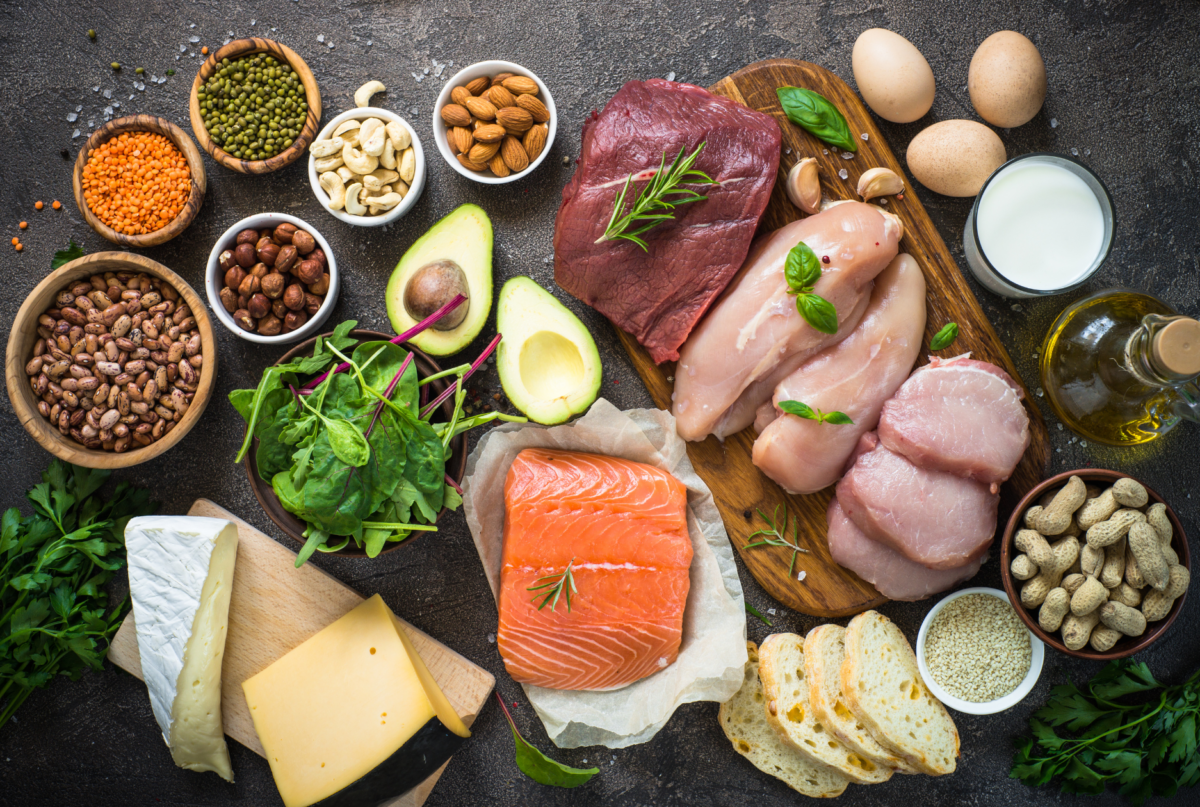
High-quality proteins
Anti-inflammatory herbs and spices such as turmeric and cinnamon
Making these foundational swaps can dramatically improve insulin sensitivity and hormonal balance, setting the stage for more profound healing.
Protein, Healthy Fats & Fiber for PCOS — What Your Plate Should Look Like
In my clinical work, protein is the #1 key nutrient to optimize for women with PCOS. Carbohydrates and fats primarily serve as fuel, but protein is the body’s building block. We need protein to heal, repair, and maintain lean tissue—making it essential not only for hormonal health but also for sustainable weight management.
From a practical standpoint, prioritizing protein is the most effective weight loss strategy I’ve seen. Protein is highly satiating, meaning it naturally displaces excess calories from carbs and fats without the need for strict calorie counting. It helps regulate blood sugar, keeps you fuller for longer, and reduces cravings.
👉 Ideal daily intake: Aim for roughly 1 gram of protein per pound of ideal body weight, based on your height and frame.
Here are some excellent protein options to build your meals around:
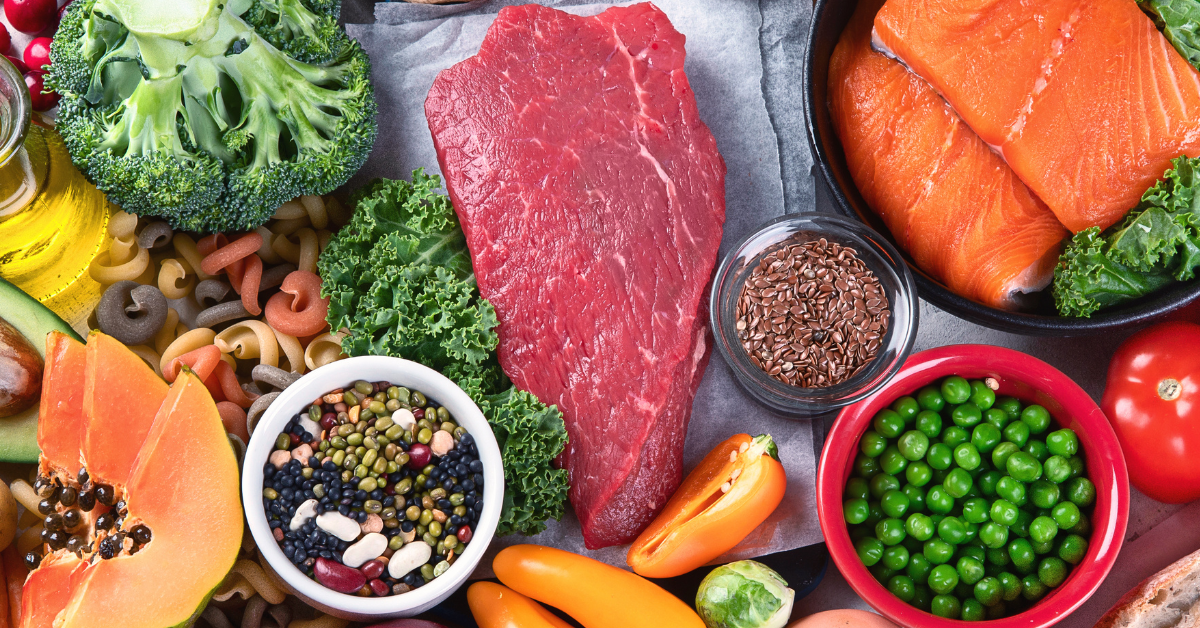
Poultry, fish, lean beef, and eggs
Greek yogurt and cottage cheese
Plant-based options like tempeh and legumes (paired with additional protein sources to balance amino acids)
Round out your plate with healthy fats (olive oil, avocado, nuts) and fiber-rich carbohydrates (vegetables, fruits, legumes, and moderate whole grains).
Foods to Limit or Avoid for PCOS
To support blood sugar balance and reduce inflammation, it’s crucial to limit:
Sugar-sweetened beverages
Refined sugars and flours
Processed snack foods
Ultra-processed carbohydrate sources (like pastries, chips, crackers, pasta, white bread)
There is a significant amount of research on the uses of the keto diet for healing PCOS (2). While this is a great strategy for weight loss, I find that most of my PCOS clients do better by optimizing protein intake – at least in the initial dietary shifting phases. This approach is less restrictive than a keto diet, which improves compliance rates, and clients do not experience the “keto flu” symptoms, which are common as the body shifts into ketosis.
The average human body can efficiently handle ~130 g of carbohydrates per day—and often less if you’re not engaging in regular daily exercise. The Standard American Diet averages a whopping 300 g of carbs per day, which is a recipe for insulin resistance.
For women with PCOS, keeping daily carbohydrate intake at or below 100 g during the initial rebalancing phase often yields significant improvements in blood sugar control, weight, and hormone balance.
How you eat can be just as important as what you eat. Here are some of the most effective meal timing strategies I coach my clients on:
No “naked carbs” — always pair carbs with protein to reduce the glycemic load. A 1:1 ratio of protein-to-carbs is ideal, both at meals/snacks and across your total daily intake.
Start your day with a high-protein, low-carb breakfast to stabilize blood sugar and hormones. Studies show that compared to a carb-rich breakfast, a high-protein breakfast results in more stable blood sugar and insulin patterns throughout the day (3).
Eat protein first at meals. This ensures you hit your daily protein target, improves digestion, blunts post-meal glucose spikes, and displaces excess calories from carbs and fats.
Distribute carbs evenly throughout the day rather than loading them in one meal.
Fasting can be a useful tool when done mindfully, but prolonged fasting can disrupt hormones, especially in women.
Ideal fasting window: 12 hours overnight (e.g., no food 3 hours before bed, wait 1 hour after waking).
Avoid fasting for longer than 18 hours, as your body begins breaking down lean muscle tissue, which is essential for glucose disposal and insulin sensitivity. Prolonged fasting can also make it difficult to meet daily nutrient needs.
One advanced strategy I sometimes use with clients is the Protein-Sparing Fasting-Mimicking Diet (PSFMD):
4 days on, 9 days off
500–800 calories per day during the 4-day phase, with the foundational calories coming from ideal protein intake, and the remaining calories from fats only (no carbs).
This short, structured phase can flush fat from the liver and is one of the most effective strategies I’ve seen for rapidly improving insulin resistance, when used under professional guidance.
Functional Medicine for PCOS: Lifestyle Strategies That Support Hormone Balance
While nutrition is the foundation of healing PCOS, lifestyle habits play a critical role in balancing hormones, improving metabolic function, and supporting overall well-being. Functional medicine for PCOS emphasizes a holistic approach that integrates sleep, stress regulation, movement, and detoxification support to restore balance from the inside out.
Sleep Optimization & Circadian Rhythm for Functional PCOS Support
Quality sleep is one of the most underrated tools for hormone balance in PCOS. Poor sleep can increase insulin resistance, elevate cortisol, and disrupt ovulation. Optimizing your sleep-wake cycle helps regulate hormones like melatonin, cortisol, insulin, and reproductive hormones.
Key strategies for supporting healthy sleep include:
Keep your bedroom cool, dark, and quiet to support natural melatonin production.
Take a warm bath or shower 1–2 hours before bed — the drop in body temperature afterward helps signal your brain that it’s time to sleep.
Dim lights in the evening to mimic sunset and support your circadian rhythm.
Avoid caffeine after 2:00 p.m. to minimize sleep disruptions.
Limit blue light exposure from devices after the sun has set to avoid falsely signalling to your brain that it’s daytime.
Get early morning sunlight exposure (within 30–60 minutes of waking) and spend more time outdoors during the day. Natural light anchors your circadian rhythm, making it easier to fall asleep and wake up at consistent times.
Consistent sleep hygiene creates a hormonal environment that supports regular ovulation, balanced cortisol, and improved insulin sensitivity — all of which are crucial for reversing PCOS naturally.
Chronic stress is a major driver of HPA axis dysregulation, elevated cortisol, and adrenal PCOS patterns. When cortisol remains elevated, it worsens insulin resistance, increases androgen production, and disrupts ovulation.
Functional strategies for regulating the stress response focus on activating the parasympathetic nervous system — the “rest and digest” state. Some of the most effective techniques include:
Resonance breathing (slow, rhythmic breathing at ~5–6 breaths per minute)
Physiological sigh (two short inhales through the nose, followed by a long exhale)
Box breathing (inhale 4 sec – hold 4 sec – exhale 4 sec – hold 4 sec)
EFT/tapping to release emotional tension
Gratitude practices and prayer or meditation for mindset shifts
Spending time in nature to reduce cortisol and inflammation naturally
Building daily stress-regulating habits can help restore hormonal rhythms, support better sleep, and improve metabolic balance — key foundations for PCOS healing.
Movement & Exercise: What Type Works Best for Functional PCOS Support
When it comes to PCOS, the best exercise is the one you’ll actually do consistently. Even starting with something as simple as a daily walk can have profound benefits for blood sugar regulation and stress reduction.
That said, resistance training is the single most effective exercise for improving insulin resistance, which is a central driver of PCOS. Here’s why:
Resistance training increases glucose uptake by muscles independent of insulin, meaning your muscles can pull sugar out of the bloodstream for fuel even when insulin sensitivity is impaired.
Muscle tissue is more metabolically active than fat, so the more lean muscle mass you build, the more calories your body burns at rest — improving your basal metabolic rate and long-term weight management. And don’t worry, you’re not going to get “bulky,” I’ve been trying for years, and it simply doesn’t happen without altering your hormones unnaturally.
A balanced movement routine for PCOS typically includes:
Resistance training 2–4 times per week (using weights, bands, or bodyweight)
Low-impact cardio daily for 30 minutes. Zone 2 heart rate is ideal. Walking, cycling, or swimming are great for this.
Bursts of high-intensity cardio, such as starting with 30-second bouts on a rower, assault bike, or sprinting to reach your maximum heart rate, offer excellent cardiovascular benefits. Once to twice per week is a great starting point, work your way up to 60-90s bouts.
Mind-body practices like yoga or Pilates to support recovery and stress regulation
The goal isn’t perfection — it’s consistency. Over time, building muscle and moving regularly can dramatically improve insulin sensitivity, hormone balance, and energy levels.
Detoxification & Supporting Liver Function in Functional PCOS Care
Detoxification plays a key role in hormonal balance, particularly for estrogen metabolism. Fat tissue stores many environmental toxins, and when fat is mobilized (e.g., through weight loss or fasting), these compounds are released into circulation for the liver to process.
The liver is the primary organ responsible for detoxifying hormones, including estrogen. After estrogen is processed, it’s excreted through the Gastrointestinal tract. However, gut health plays a significant role here: when gut bacteria produce high levels of β-glucuronidase enzymes, estrogen can become “unbound” and recycled back into circulation, worsening hormonal imbalances such as estrogen dominance.
Supporting liver and gut detoxification involves:
Eating a nutrient-dense diet rich in fiber, antioxidants, and cruciferous vegetables (like broccoli, cauliflower, and Brussels sprouts) to support liver phase I and II detox pathways.
Staying well-hydrated supports the kidneys and urinary excretion.
Supporting healthy bowel movements through fiber and gut health strategies to ensure estrogen is effectively eliminated.
Sweating regularly through exercise or sauna use supports additional detox pathways.
By supporting detoxification and elimination pathways, you can help reduce hormonal load, support liver function, and improve overall endocrine balance in PCOS.
Supplements & Targeted Protocols Worth Considering in Your Functional Medicine Approach to PCOS
While nutrition and lifestyle form the foundation of healing PCOS, strategic supplementation can provide additional support for hormonal balance, insulin sensitivity, and metabolic health. A functional medicine approach always emphasizes personalization — what works for one person may not be appropriate for another. These supplements should be tailored to your individual needs, ideally with the guidance of a qualified practitioner.
Myo-Inositol & D-Chiro-Inositol for Insulin Sensitivity & Ovarian Health in PCOS
Myo-inositol and D-chiro-inositol are naturally occurring compounds that act as insulin sensitizers, helping the body use insulin more efficiently. Research shows that these nutrients can (4):
Improve insulin sensitivity and reduce circulating insulin levels
Promote ovulation and menstrual regularity in women with PCOS
Support egg quality and fertility outcomes
Most protocols use a 40:1 ratio of Myo- to D-Chiro-inositol, which mimics the body’s natural balance. This combination can be particularly effective for women with insulin-resistant PCOS who are looking to restore ovulation naturally.
Vitamin D, Magnesium, Omega-3s & Co-Factors for Functional PCOS Support
These foundational nutrients play key roles in metabolic and hormonal health:
Vitamin D + K2 → Vitamin D deficiency is extremely common in PCOS and has been linked to insulin resistance, inflammation, and ovulatory dysfunction. Supplementing with vitamin D and K2 supports calcium metabolism, hormone regulation, and immune balance.
Magnesium bisglycinate → Magnesium is required for hundreds of enzymatic reactions, including insulin receptor function, glucose metabolism, and cortisol regulation. Bisglycinate is one of the most bioavailable and well-tolerated forms, making it ideal for daily use.
Omega-3s (Krill oil) → Omega-3 fatty acids help reduce inflammation, improve insulin sensitivity, and support hormone balance. I recommend krill oil specifically because it’s naturally rich in choline, which supports liver detoxification and cellular health.
Together, these nutrients support blood sugar balance, reduce inflammation, and optimize hormone function — all key goals in a functional PCOS protocol.
NAC (N-Acetylcysteine), Berberine, & Other Metabolic Support for Functional PCOS Support
N-acetylcysteine (NAC) is a powerful antioxidant that replenishes glutathione, the body’s master detoxifier. For PCOS, NAC has been shown to (5):
Improve insulin sensitivity and ovulation rates
Reduce androgen levels
Support liver detoxification and reduce oxidative stress
Berberine, a plant alkaloid, works similarly to metformin by improving insulin sensitivity and supporting glucose metabolism — but with additional antimicrobial and anti-inflammatory benefits. It can be especially effective for women with insulin-resistant PCOS or those with gut dysbiosis contributing to metabolic issues.
Other supportive compounds may include alpha-lipoic acid, chromium, or targeted amino acids, depending on the individual’s metabolic picture.
Adaptogens, Herbal Support & Botanical Therapies
Adaptogenic herbs can help regulate the stress response and balance cortisol, which is especially important for adrenal-driven PCOS subtypes. Common options include:
Ashwagandha → Supports cortisol regulation and thyroid function.
Rhodiola → Enhances energy, mood, and stress resilience.
Vitex (Chaste Tree) → May support luteinizing hormone secretion and promote ovulation in some women.
Spearmint tea or extract → Has been shown to help reduce androgen levels and hirsutism (6).
I prefer adaptogen blends for their synergistic effect from various powerful adaptogenic herbs. Each herb offers its own unique health benefits, and I believe we can get ‘more from less’ with herbal blends rather than using several stand-alone products.
Herbal protocols should always be individualized — these botanicals can be powerful tools but must be matched to the underlying PCOS subtype and hormonal patterns. Additionally, many of these products may be contraindicated in various health states. Always work with a qualified Functional PCOS Specialist to determine the right supplements for you.
How Working with a Functional PCOS Specialist or PCOS Coach Elevates Your Results
Healing PCOS naturally is absolutely possible — but it’s rarely a one-size-fits-all journey. Working with a functional medicine practitioner or PCOS coach allows you to uncover the root causes driving your unique presentation of PCOS and build a personalized, strategic plan for lasting results.
Why You Need Personalization — One Size Doesn’t Fit All
PCOS isn’t a single disease — it’s a collection of metabolic, hormonal, inflammatory, and sometimes genetic imbalances that manifest differently in every woman. What works for one person can be entirely ineffective for another.
For example:
One woman may need to focus heavily on insulin resistance and nutrition.
Another may have predominantly adrenal-driven PCOS, where stress regulation is key.
A third may have primarily inflammatory or post-pill PCOS, where gut health and detoxification are central.
A functional medicine approach ensures that your unique root causes are identified and addressed. This is the key to transforming PCOS from a life-altering diagnosis into something manageable — and even reversible — through sustainable lifestyle strategies.
What Functional Labs & Testing I Use to Personalize Care for PCOS
Functional testing doesn’t have to be complicated or expensive to be effective. In fact, basic blood work often gives us more than enough information to start creating an effective PCOS plan when interpreted through a functional lens.
For most clients, I use a strategic combination of labs, including:
CBC with differential → for assessing baseline immune and metabolic health
Comprehensive Metabolic Panel (CMP) → for liver, kidney, and glucose metabolism markers
Lipid panel → for evaluating cardiovascular and insulin resistance risk
Iron panel & ferritin → to check for hidden iron overload or deficiency
Homocysteine → for methylation and cardiovascular health
Fasting insulin → one of the most critical markers for understanding metabolic function in PCOS
Free & total testosterone → to assess androgen excess
TSH & thyroid panel → thyroid dysfunction often overlaps with PCOS
Sex hormones (estradiol, progesterone, LH, FSH) — if relevant to symptoms, fertility goals, or cycle irregularities
In some cases, I may also recommend advanced testing, such as Gut Health testing or CGM dietary coaching, depending on the individual’s symptoms, goals, and clinical presentation.
When we interpret these labs functionally, we can connect the dots between your symptoms and your biochemistry — without ordering endless expensive panels that don’t change your plan.
What Happens in a Functional Medicine PCOS Coaching Program
Our work together starts with a free discovery call where we get clear on your symptoms, goals, and priorities. From there, we decide which lab work will give us the clearest picture of your metabolic and hormonal health.
Once labs are complete, we’ll meet to review your results together, unpack your unique health story, and build a personalized PCOS protocol that’s realistic, actionable, and sustainable. My goal is to ensure the plan fits your life without overwhelming you or adding more stress.
Your personalized protocol may include:
Tailored dietary strategies to improve insulin sensitivity and hormone balance
A weekly meal plan + grocery list with Instacart integration for easy implementation
High-quality supplement recommendations targeted to your specific nutrient needs
Lifestyle interventions dialed into your unique presentation, daily routine, and abilities — without overwhelm
Throughout the program, we’ll continue refining your plan together, meeting every two to four weeks to ensure that each phase feels doable and aligned with your long-term goals. This is where having expert support truly accelerates progress — you’re not left guessing, Googling, or trying to figure it all out alone.
Frequently Asked Questions About PCOS
Q: Can PCOS Be Reversed Naturally?
Yes — for many women, PCOS can be reversed or significantly improved through natural, root-cause strategies. While PCOS has genetic and hormonal components, addressing metabolic imbalances can often restore ovulation, balance hormones, and reduce or eliminate symptoms. A functional medicine approach to PCOS focuses on healing core imbalances rather than simply masking symptoms with medication.
Can I Get Pregnant With PCOS?
Absolutely. Many women with PCOS conceive naturally once the underlying hormonal and metabolic imbalances are addressed. PCOS often disrupts ovulation, which is why fertility challenges can occur — but with proper functional PCOS coaching and support, fertility can often be restored. Even if you’re planning for pregnancy later, working on these foundations now sets the stage for a healthy conception and pregnancy.
How Long Does It Take to See Improvement with a Holistic PCOS Protocol?
Every woman’s timeline is different, but most clients begin to see measurable improvements within 3–6 months of implementing a personalized PCOS protocol. Factors such as severity of insulin resistance, gut health, inflammation, and adherence to nutrition and lifestyle strategies all influence results. The key is consistency: PCOS wasn’t created overnight, and sustainable healing happens through steady, strategic changes over time.
Can Diet or Supplements Cure PCOS?
No single diet, supplement, or “quick fix” can cure PCOS — but the right combination of dietary strategies, lifestyle changes, and targeted supplementation can dramatically improve (and often reverse) symptoms. Think of these tools as ways to rebalance your body’s systems, not as magic pills. Personalization matters: what works for one woman may not work for another. That’s why working with a PCOS specialist or functional medicine practitioner can make such a difference.
Taking the First Step to a Functional PCOS Plan: What to Do to Reverse PCOS
The first step toward personalized functional medicine care and book a 20-minute Discovery Call. This call is designed to help you:
Review your unique symptoms and goals.
Determine which labs will give us the clearest picture of your health.
Explore a personalized PCOS protocol that fits your lifestyle and preferences.
Learn how functional medicine can help you rebalance your hormones naturally.
Whether you’re struggling with irregular cycles, fertility challenges, weight loss resistance, or just want to feel like yourself again, I can help you build a clear, customized roadmap to healing.
📍 If you’re looking for Functional Medicine PCOS support in Marietta (or virtually anywhere), this is the perfect place to start.
👉 Book your 20-minute Discovery call with our Marietta, GA functional medicine clinic today and take the first step toward hormone balance and long-term wellness
A Neuroimmune Mechanism that Functional Medicine Can No Longer Ignore Histamine intolerance and Mast Cell Activation Syndrome (MCAS) are often framed as immune disorders…
Let me guess: you’ve tried every diet out there. You’ve counted calories, tracked macros, eliminated entire food groups, bought the supplements, followed the programs,…
At 9 years old, Jordan was diagnosed with Type 1 diabetes and learned that her entire life would be different going forward. After years of battling blood sugar imbalances, using multiple technologies, and ending up in the ER in 2016 due to an insulin pump failure, she realized something was missing.
After graduating with a B.S in exercise science from Lagrange College, she pursued a master's in Human Nutrition and Functional Medicine from UWS to help others achieve the same healing that she
did as a result of diet and lifestyle changes.
Jordan addresses patients as a whole through individualized wellness programs and functional medicine. Creating tailored interventions that go beyond your health today, she takes into account your entire life’s journey, from birth to date. This unique approach allows her to see and address all aspects of health.
I am so thankful to Jordan and I would literally recommend her to anyone and everyone. I truly believe this is the healthiest I have ever been.”
Erin M
Thanks to Jordan Smith, 30 pounds have left my frame, and don’t plan on ever coming back. She’s dialed into my health as much as I am. Thank you."
David W
Jordan has helped me lose 20 pounds in 90 days’ time which is truly an accomplishment since I am in the time of my life where weight loss is difficult."