

…And How to Finally Make Lasting Change Stick in 2026
Every January, millions of people set New Year’s resolutions to get healthier, lose weight, reduce stress, or overhaul their habits. But studies consistently show that most resolutions don’t last. In fact, research suggests roughly 80–90% of people abandon their resolutions by February, and only about 9% successfully keep them long-term. Even more striking, nearly half of people fully expect to quit before they even start. The intention is there — the system is not.
So if you’ve ever created ambitious goals in January and felt defeated by February, you’re not alone. And it’s not because you lack discipline, motivation, or strength. It’s because New Year’s resolutions are usually built on the wrong foundation.
Let’s look at why resolutions fail, what you should do instead, and how a structured, step-by-step approach can make 2026 the year you finally break the cycle.
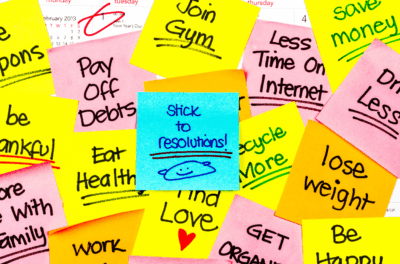
The Real Reasons New Year’s Resolutions Fail
Most resolutions fail because:
- They’re built on willpower, not strategy.
- They focus on restriction instead of support.
- They try to change outcomes without addressing the environment, habits, or physiology that actually drive behavior.
Set Specific Goals
One of the biggest reasons people don’t follow through is that their goals are both vague and overwhelming.
“Eat healthier,” “exercise more,” or “cut out sugar” sound admirable — but they aren’t specific enough to translate into daily action. The brain doesn’t respond to abstract goals; it responds to clear plans and predictable routines.
When the steps are unclear, we reactively fall back into familiar patterns simply because they require less mental energy.
Motivation is Short-Lived
Another major issue is that resolutions often rely on short-term motivation rather than long-term support. Motivation naturally fades, especially when life gets busy, stress increases, or fatigue sets in.
Without a system to fall back on, like a supportive kitchen setup, recipes that fit your schedule, or habits that anchor your day, the resolution collapses under the pressure of real life.
Physiologic Sabotage
Physiology also plays a bigger role than most people realize.
If your blood sugar is unstable, your gut is inflamed, your sleep is inconsistent, or your stress is high, it becomes challenging to make good decisions. Cravings intensify, energy drops, mood fluctuates, and the brain’s capacity for self-control diminishes.
People blame themselves for “falling off,” when in reality, their body was never set up to succeed.
Do LESS!
Finally, resolutions fail because they’re often built as short, intense sprints. A 30-day detox or restrictive diet might feel productive at first, but it doesn’t translate into a lifestyle you can maintain!
Once the month is over, people slip back into old routines because nothing structural has changed. Sustainable health isn’t built on intensity — it’s built on consistency.

What to Do Instead of Half-Baked New Year’s Resolutions:
Build a System, Not a ‘Resolution’
If New Year’s resolutions feel like a cycle you keep repeating, it’s time to approach the new year differently.
Real, lasting health change comes from establishing a foundation, not from adopting short-term rules and restrictions. That’s exactly why I designed Reset & Revitalize for 2026, a supportive, structured 4-week program built around the four stepping-stones that make change actually stick.
Whether you join the program or simply follow this framework on your own, here is the structure that actually works.
Week 1: Kitchen Reset — Your Environment Shapes Your Outcomes
The first step toward any health goal isn’t cutting calories or eliminating food groups.
It’s changing your environment so that healthy choices are easier than unhealthy ones. You cannot build new habits in an environment that constantly pulls you back into old patterns.
Curating and an Environment that Encourages your Goals
In Week 1, the focus is on:
- Reorganizing your space
- Clearing out the foods that create inflammation or trigger cravings
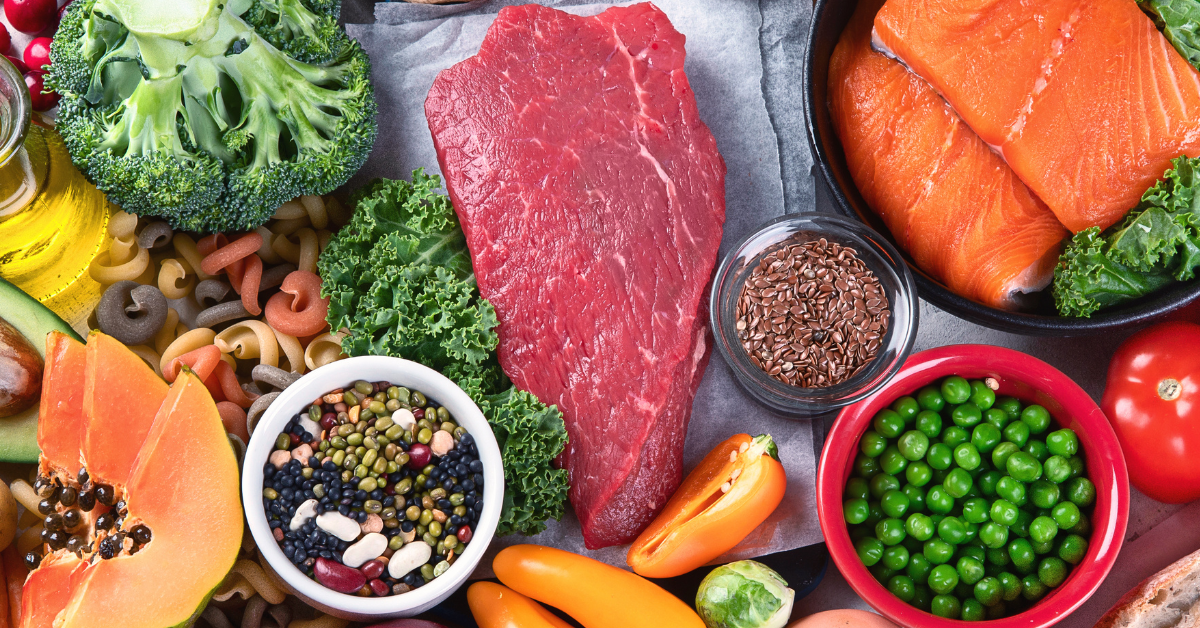
- Stocking clean staples that support your goals.
A structured, thoughtful kitchen environment doesn’t just keep you on track; it reduces decision fatigue and eliminates the constant “What should I eat?” stress that derails most resolutions. When your kitchen and pantry are set up with intention, healthy choices naturally follow.
Week 2: Meal Prep Skills — Learn the “How,” Not Just the “What”
Most people know what they should be eating.
The problem is that healthy eating becomes overwhelming without a practical system. That’s why Week 2 of Reset & Revitalize focuses on building real-world meal prep and cooking skills that make healthy habits doable.
Instead of giving you a rigid meal plan, saying “prep your meals for the week on the weekend,” and then hoping for the best, this week teaches you:
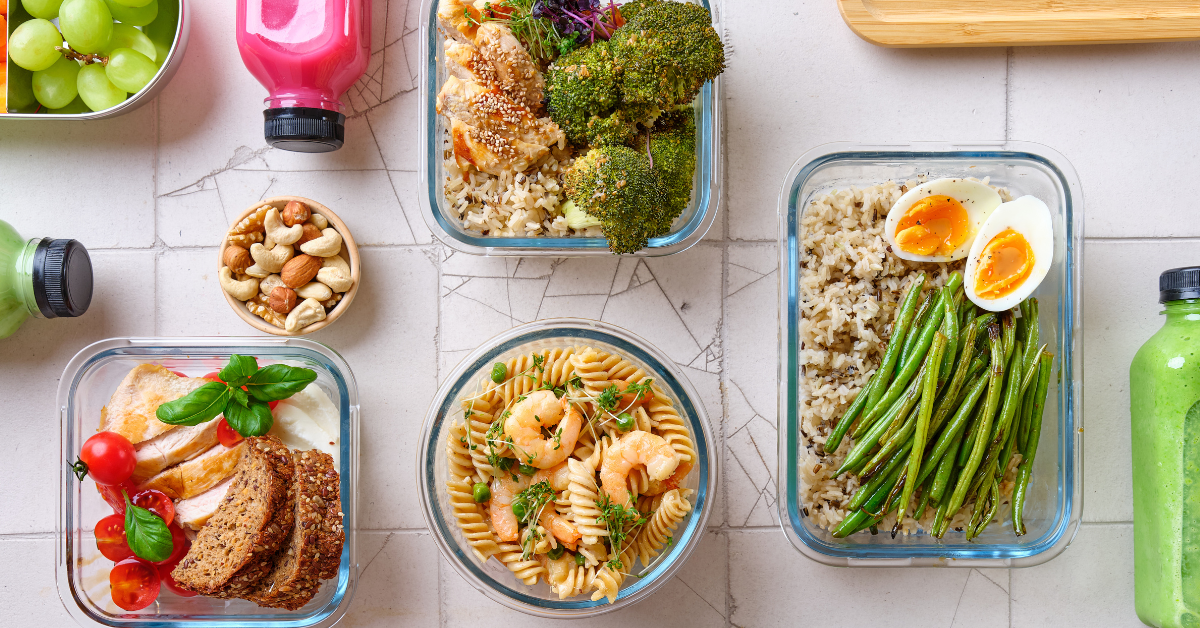
- How to cook and meal prep efficiently
- How to reuse ingredients
- How to prepare meals quickly
- Build flexible formulas that remove the pressure of perfection.

Finding New Year’s Resolution Strategies that Work WITH You and FOR You
Weekend meal prep isn’t for everyone, and it’s not the only way to succeed. The key here is finding the strategy that works for YOU and your family. When you know how to feed yourself in a way that fits your lifestyle — not someone else’s — healthy eating becomes automatic instead of exhausting.
This is the step most January programs miss. They hand you recipes without teaching you the skills needed to maintain those habits once the program ends. But without these skills, even the most motivated person eventually returns to convenience foods, takeout, or skipping meals because the system simply wasn’t built for sustainability.
Week 3: Nutritional Therapy — Support Healing, Not Restriction
Week 3 shifts from foundational habits to deeper support for your digestion, detox pathways, and inflammation levels. This is where people often feel the first true wave of transformation.
Instead of extreme cleanses or harsh detox protocols, Nutritional Therapy uses food strategically to support the body’s natural healing processes. This includes:
- Incorporating anti-inflammatory foods
- Improving gut health with targeted choices
- learning how to read labels so you can confidently choose ingredients that nourish your body rather than disrupt it.
Using Food as Fuel, Not A Quick-Fix Trend for 2026 New Year’s Resolution
This approach isn’t about dieting or deprivation — it’s about giving your body the raw materials it needs to function well. When the gut, liver, and nervous system are supported, cravings diminish, digestion improves, energy rises, and your body becomes far more responsive to healthy habits.
Your food can and should taste good, but this can be done in a way that’s healthy and healing to your body. We’ll also address several health myths and uncover the truth about wellness trends this week.

You’ll learn things like:
- Why trendy juice cleanses are actually one of the WORST things you can do for detoxification
- Why expensive gut supplements are a waste of money (and when and where they’re actually needed)
- Why you should NEVER trust trendy food sensitivity tests, and
- Why elimination diets are often the antithesis of health, and subtle saboteurs of your body and mind
Week 4: Mindset, Movement, Recovery & Lifestyle Integration
Even with the right food and environment, long-term change only happens when your mind and body are aligned. Week 4 brings everything together by focusing on mindset, gentle movement, stress resilience, and recovery.
This is where you begin shifting from “I’m trying to be healthier” into “This is how I live now.” You’ll learn:
- How to build habits that last
- How to navigate setbacks without spiraling
- How to support your body through foundational lifestyle choices like sleep, stress management, and nervous system regulation.

Make 2026 Different, Experience TRUE Transformation with Your New Year’s Resolution
This final phase of the program shifts you from a four-week reset into the launchpad for a much bigger lifestyle evolution. These are the foundational elements where real, sustainable change begins. No one becomes a “biohacker” overnight — and you certainly didn’t wake up one day with chronic symptoms out of the blue.
Chronic health issues develop slowly and silently. Inflammation accumulates. Habits compound. Stress builds. Over time, this leads to those stubborn 15–30 pounds, the afternoon crashes, the brain fog, the joint stiffness, the bloating, and the digestive discomfort that feels “normal” but isn’t.
These symptoms cannot — and will not — be reversed by a 30-day detox or a January sugar elimination. If you truly want to restore your health, you need consistent, foundational habits… an environment that supports your goals… and the structure and guidance required to maintain these shifts long after January ends.
You can’t go to the gym for a month and expect to stay fit for the rest of your life; your health isn’t any different.
Most people treat their health like a quick fix instead of a long-term investment. But real change comes from the small, steady shifts you apply day after day — not from intensity, but from consistency.
This structure is where you’ll begin integrating those deeper habits, creating momentum you can continue building on throughout 2026 and beyond. I’ve used this exact strategy with clients for years, and it works 100% of the time when implemented fully.
A Different Approach to January — New Year’s Resolutions That Work

New Year’s resolutions fail because they’re built on pressure, perfectionism, and unrealistic expectations. But sustainable health isn’t built in a burst of January motivation — it’s built through a clear environment, supportive systems, and strategies that fit your real life.
If you’re tired of starting over every year, Reset & Revitalize for 2026 was designed to break that cycle. Instead of another diet or detox, you’ll follow a guided, supportive framework that helps you understand your body, simplify healthy eating, and build habits that last.
And instead of white-knuckling your way through January, you’ll move into 2026 with clarity, confidence, and momentum — the ingredients real change is made of.
If you’re feeling unsure about the next step or want to know whether deeper, long-term support is right for you, I offer a complimentary consult call. This is a no-pressure opportunity to get clarity, ask questions, and explore what your personalized path forward could look like.
👉 Book your 20-minute consult call here and let’s talk about what your health could look like in 2026 and beyond.