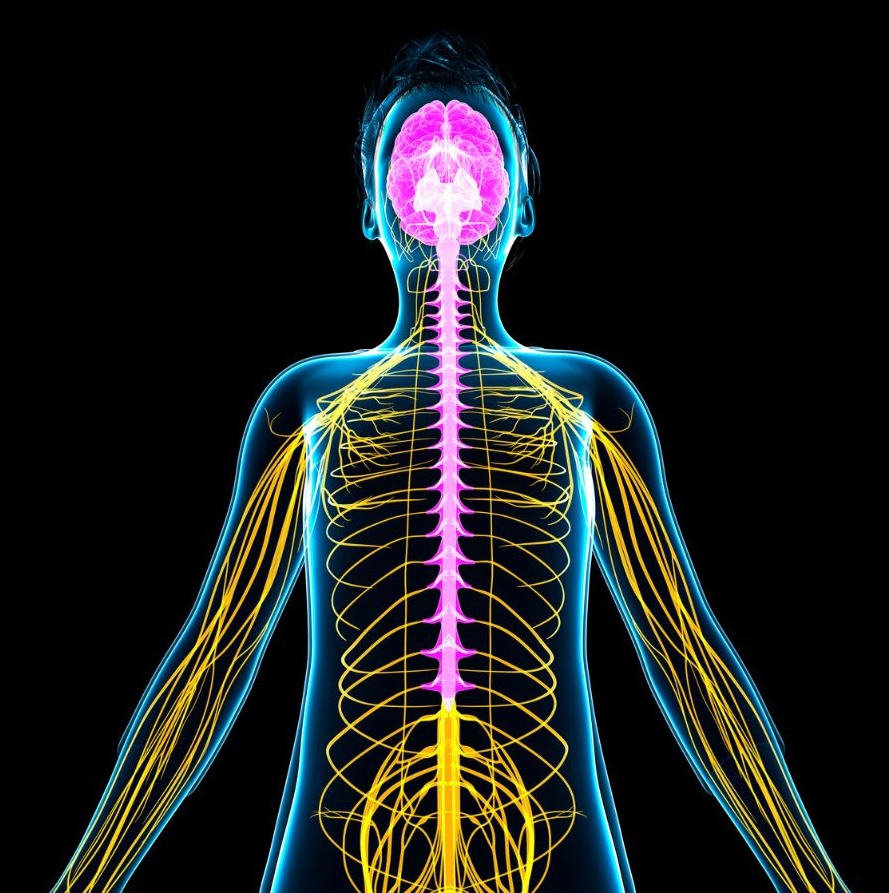


You know that feeling when you’re stressed and your stomach immediately knows it? Maybe you’re about to give a presentation and suddenly you need to find a bathroom. Or you’re dealing with a difficult situation at work and your digestion completely shuts down. Or you’ve been in a high-stress season of life and you’re dealing with bloating, cramping, or irregular bowel movements that seemingly came out of nowhere.
Here’s what most people don’t realize: that connection between your stress and your stomach isn’t just in your head. It’s a real, measurable, physiological response. And when stress becomes chronic (which, let’s be honest, describes most of our lives), it doesn’t just occasionally disrupt your digestion. It fundamentally changes how your gut functions, leading to inflammation, imbalances, and symptoms that persist long after the stressful event has passed.
The relationship between stress and gut health is one of the most underestimated factors in chronic digestive issues. You can eat the perfect diet, take all the right supplements, and follow every gut-healing protocol, but if you’re not addressing chronic stress, you’re missing one of the biggest pieces of the puzzle.
At Wellness IQ, we see this constantly: clients who’ve tried everything for their gut health, only to finally see breakthrough results when we address stress as a root cause, not just a lifestyle factor. This isn’t about “just relaxing more.” This is about understanding the profound ways stress rewires your gut and learning specific, evidence-based strategies to interrupt that cycle.
P.S. Free 3-Day Gut Reset Below
The Science of Stress and Digestion: What Happens in Your Body
To understand why stress wreaks havoc on your gut, we need to talk about what happens in your body when you’re stressed.
When you perceive a threat (whether it’s a real physical danger or a looming work deadline), your brain activates your sympathetic nervous system, also known as your “fight-or-flight” response. This is an ancient survival mechanism designed to help you escape danger.
Your body prioritizes survival over everything else. Blood flow gets redirected away from your digestive system and toward your muscles (so you can run or fight). Your heart rate increases. Adrenaline and cortisol flood your system.
Digestion becomes non-essential. Think about it: if you’re running from a lion, your body doesn’t care about digesting your last meal. Survival trumps digestion every single time.
So what does this mean for your gut?
Stomach acid production decreases. Without adequate stomach acid, you can’t properly break down protein or absorb minerals like iron, zinc, and B12. Food sits in your stomach longer than it should, leading to reflux, bloating, and that uncomfortable “brick in your stomach” feeling.
Digestive enzyme production slows down. Enzymes are crucial for breaking down fats, carbohydrates, and proteins. When production drops, you end up with partially digested food moving through your system, which feeds the wrong bacteria and creates gas and bloating.
Gut motility changes. For some people, stress speeds up gut transit (hello, stress-induced diarrhea). For others, it slows everything down (chronic constipation). Either way, the normal rhythmic movement of your digestive tract gets disrupted.
Blood flow to the intestines decreases. Your gut lining needs consistent blood flow to maintain its barrier function and repair itself. When blood gets diverted elsewhere, your gut lining becomes more permeable (leaky gut), allowing partially digested food particles, toxins, and bacteria to escape into your bloodstream.
Cortisol levels rise. While cortisol helps you respond to acute stress, chronically elevated cortisol drives inflammation throughout your body, including your gut. It also disrupts the balance of your gut bacteria, favoring inflammatory species over beneficial ones.
Now here’s the kicker: this response is perfect if you’re actually running from a lion. The problem is, your body can’t tell the difference between a real physical threat and your overflowing inbox, your financial stress, or your chronic worry about your health. Your nervous system treats them all the same way. And when you’re living in a state of chronic, low-grade stress (which describes most modern life), your body never fully shifts back into “rest-and-digest” mode. Your gut is constantly operating in survival mode, which means it’s never functioning optimally.
How Chronic Stress Manifests in Gut Symptoms
So what does chronic stress actually look like in terms of digestive symptoms? You might be surprised at how many “gut issues” are actually stress-related.
IBS and Functional Digestive Disorders
Irritable Bowel Syndrome (IBS) is one of the most common diagnoses given when conventional medicine can’t find anything “wrong” on standard testing. But research shows that chronic stress is one of the primary drivers of IBS symptoms. Studies have found that people with IBS have heightened stress responses and altered gut-brain communication. Their guts are essentially hyper-vigilant, overreacting to normal digestive processes and creating pain, cramping, bloating, and irregular bowel movements.
Many of our clients at Wellness IQ have been told they have IBS and there’s nothing to do but manage symptoms. But when we address the stress component (along with other root causes), their “IBS” often improves dramatically or resolves entirely.
Chronic Bloating and Gas
When you’re stressed, you’re more likely to eat quickly without chewing thoroughly, swallow air while breathing shallowly, produce less stomach acid and enzymes, and experience bacterial imbalances that produce excess gas. All of this leads to that uncomfortable, distended feeling that makes you want to unbutton your pants by dinner time.
Reflux and Heartburn
Contrary to popular belief, most reflux isn’t caused by too much stomach acid. It’s often caused by too little, and stress is a major factor in low stomach acid production. When you don’t have enough acid to properly close the valve between your stomach and esophagus, you get reflux. Stress also relaxes that valve directly, making reflux worse.
Constipation or Diarrhea
Stress can swing your gut motility in either direction. Some people get “stress constipation” where everything slows down. Others experience stress-induced diarrhea where everything moves too fast. Many people alternate between the two, which is particularly frustrating because you never know what to expect.
Food Sensitivities That Seem to Multiply
When stress makes your gut lining more permeable, your immune system starts reacting to foods that normally wouldn’t be a problem. You might notice that foods you used to tolerate fine now cause bloating, skin reactions, or digestive upset. This isn’t necessarily a true food allergy; it’s your stressed gut creating inappropriate immune responses.
The frustrating part? Once this cycle starts, your gut symptoms create more stress (worrying about symptoms, avoiding social situations, feeling anxious about eating), which perpetuates the problem. It becomes a feedback loop that’s hard to break without addressing both sides of the equation.
The Bidirectional Gut-Brain Axis: It Goes Both Ways
Here’s where things get really interesting: the relationship between your gut and your brain isn’t one-directional. It’s not just that stress affects your gut. Your gut also affects your stress, anxiety, and mental health.
This two-way communication highway is called the gut-brain axis, and it’s one of the most important concepts in understanding both digestive health and mental health.
How Your Gut Talks to Your Brain
Your gut and brain communicate through several pathways:
The vagus nerve. This is the longest nerve in your body, running directly from your brainstem to your gut. It carries signals in both directions, but here’s something remarkable: about 90% of the signals travel from your gut UP to your brain, not the other way around. Your gut is constantly sending information to your brain about what’s happening in your digestive system.
Neurotransmitter production. Your gut produces about 90% of your body’s serotonin (which regulates mood, sleep, and appetite) and 50% of your dopamine (which affects motivation and pleasure). When your gut is inflamed or imbalanced, neurotransmitter production gets disrupted, directly affecting your mood and mental state.
Immune system signaling. Remember that 70% of your immune system lives in your gut? When your gut is inflamed, your immune system sends inflammatory signals to your brain, contributing to anxiety, depression, and brain fog.
Gut bacteria metabolites. Your gut bacteria produce compounds that directly influence brain function. An imbalanced microbiome can literally change your brain chemistry.
This is why gut dysfunction so often comes with anxiety, depression, brain fog, or mood swings. It’s not just that you’re stressed about having gut symptoms (though that’s real too). It’s that your gut is directly influencing your brain function. And here’s the feedback loop: when your gut is inflamed or imbalanced, it sends stress signals to your brain. Your brain then activates stress responses, which further disrupt gut function, which creates more inflammation and imbalance. Round and round it goes.
Breaking this cycle requires addressing both sides: healing the gut AND regulating the nervous system. You can’t fully do one without the other.
Signs That Stress Is Affecting Your Gut Health
How do you know if stress is a major factor in your digestive issues? Here are the telltale signs:
Your symptoms get worse during stressful periods. If your digestion is noticeably worse when you’re busy, anxious, or dealing with life stress, that’s a clear connection.
Your gut reacts immediately to stress. The classic example is needing a bathroom before an important event, but this can show up as immediate bloating, cramping, or nausea in response to stressful situations.
You’ve tried all the dietary changes without much improvement. If you’ve eliminated trigger foods, tried various diets, taken probiotics and supplements, but your symptoms persist, stress is likely a major contributing factor.
You have gut symptoms alongside anxiety, trouble sleeping, or feeling “wired and tired.” These are all signs of nervous system dysregulation, which inevitably affects your gut.
Your symptoms started or got worse after a particularly stressful period. If your gut has never been the same since a major life change or prolonged stress, stress likely initiated the dysfunction.
You have trouble relaxing or feeling calm. If your nervous system is stuck in sympathetic overdrive, you’re constantly in fight-or-flight mode, which means your gut is constantly compromised.
You eat quickly, while distracted, or while doing other things. This signals to your body that you’re not safe enough to fully digest.
If several of these resonate with you, stress is absolutely playing a role in your gut dysfunction. The good news? This means that addressing stress can have a profound impact on your digestive health.
Evidence-Based Stress Management for Gut Health
Managing stress isn’t about bubble baths and positive thinking (though those can help). It’s about specific, evidence-based practices that shift your nervous system out of fight-or-flight and into rest-and-digest mode.
Vagal Tone Exercises
Your vagus nerve is the communication highway between your gut and brain, and you can actively strengthen it. Higher vagal tone is associated with better stress resilience, improved digestion, and reduced inflammation.
Deep, slow breathing. The simplest and most effective tool. Aim for exhales that are longer than your inhales. Try this: breathe in for 4 counts, hold for 4, exhale for 6-8 counts. Do this for 2-3 minutes several times a day, especially before meals.
Humming, singing, or gargling. These activate the muscles in the back of your throat that stimulate the vagus nerve. Even 30 seconds of humming can shift your nervous system.
Cold exposure. Brief cold showers, splashing cold water on your face, or holding ice to your face activates the vagus nerve and parasympathetic nervous system.
Breathwork for Digestion
How you breathe directly impacts your gut function. Most stressed people breathe shallowly from their chest, which keeps them in sympathetic mode.
Practice this before meals: Sit comfortably and place one hand on your chest, one on your belly. Breathe deeply so your belly rises (your chest should barely move). Do this for 5-10 breaths before eating. This simple practice signals to your body that it’s safe to digest.
Movement That Reduces Stress
Exercise is one of the most effective stress management tools, but the type and intensity matter.
Best for gut-brain axis: walking (especially in nature), yoga, tai chi or qi gong, moderate-intensity cardio. Excessive high-intensity exercise can actually increase gut permeability and inflammation in some people, especially if you’re already dealing with chronic stress.
Sleep: The Non-Negotiable Foundation
Your gut repairs itself during sleep. Your microbiome has its own circadian rhythm. Chronic poor sleep is one of the most damaging things for both stress levels and gut health. Prioritize 7-9 hours of sleep with a consistent schedule, a wind-down routine (no screens 1 hour before bed), and a cool, dark, quiet bedroom. Avoid caffeine after noon and large meals within 3 hours of bedtime.
Mindful Eating Practices
How you eat matters as much as what you eat. Before meals, take 5-10 deep breaths to shift into parasympathetic mode. During meals, sit down, eliminate distractions, chew thoroughly (20-30 chews per bite), eat slowly, and pay attention to how the food makes you feel. These aren’t just “nice to do” practices. They fundamentally change your body’s ability to digest food.
Additional Stress Reduction Techniques
Meditation or mindfulness (even 5-10 minutes daily), journaling (5 minutes before bed), time in nature, social connection, setting boundaries, and professional support (therapy, coaching, or counseling) all help regulate your nervous system and support gut health.
When Stress Management Alone Isn’t Enough
Sometimes stress management practices help significantly, but they’re not enough to fully resolve gut dysfunction. And that’s okay. It doesn’t mean you’re failing at stress management.
Here’s why stress management alone might not be sufficient:
You might have underlying gut infections or imbalances (SIBO, parasites, H. pylori, or significant dysbiosis) that need targeted treatment.
Your gut lining may be significantly damaged and require specific nutrients and protocols to repair.
You may have nutrient deficiencies (magnesium, B vitamins, zinc, vitamin D) that affect your body’s ability to regulate stress or heal your gut.
Hormone imbalances may be at play (chronic stress disrupts cortisol, thyroid, and sex hormones, all of which affect gut function).
Your nervous system may be stuck in a chronic stress state, requiring more intensive nervous system regulation work.
This is where functional medicine becomes invaluable. At Wellness IQ, we assess all of these factors through comprehensive testing and create personalized protocols that address your specific root causes.
We identify what’s actually happening in your gut, what infections or imbalances are present, what nutrients you need, and how your stress response is affecting your specific physiology. Then we create a targeted plan that addresses any gut infections, gut lining repair, microbiome rebalancing, nutrient deficiencies, nervous system regulation, and stress management tools that fit your life.
Your Gut and Stress: A Holistic Approach
If you’ve been dealing with digestive issues and you recognize that stress is playing a role, here’s what you need to know: You’re not broken. Your gut symptoms aren’t just “in your head.” And there are real, evidence-based strategies that can help.
The relationship between stress and gut health is complex, bidirectional, and deeply interconnected with every other system in your body. You can’t fully heal your gut without addressing stress, and you can’t fully regulate your nervous system without healing your gut.
Simple practices like breathwork before meals, prioritizing sleep, and learning to activate your rest-and-digest system can have profound effects. And when those practices aren’t enough, comprehensive functional medicine testing and personalized protocols can identify and address what you’re missing.
Or book a 20-minute consultation to discuss your symptoms and whether functional medicine is the right fit for you. We’ll talk about your health history, your stress patterns, your gut symptoms, and what comprehensive testing and personalized support could look like.
You don’t have to keep living with digestive symptoms that get worse every time life gets stressful. There’s a path forward, and we’re here to help you find it.
Wellness IQ provides personalized functional medicine for gut health, chronic stress, hormonal imbalances, and complex health conditions. Serving clients in Marietta, Canton, Roswell, and throughout Georgia.