
Dangerous, or Misinformed? What You NEED to Know About Vitamin A
By Jordan Casey, MS, Functional Medicine Practitioner
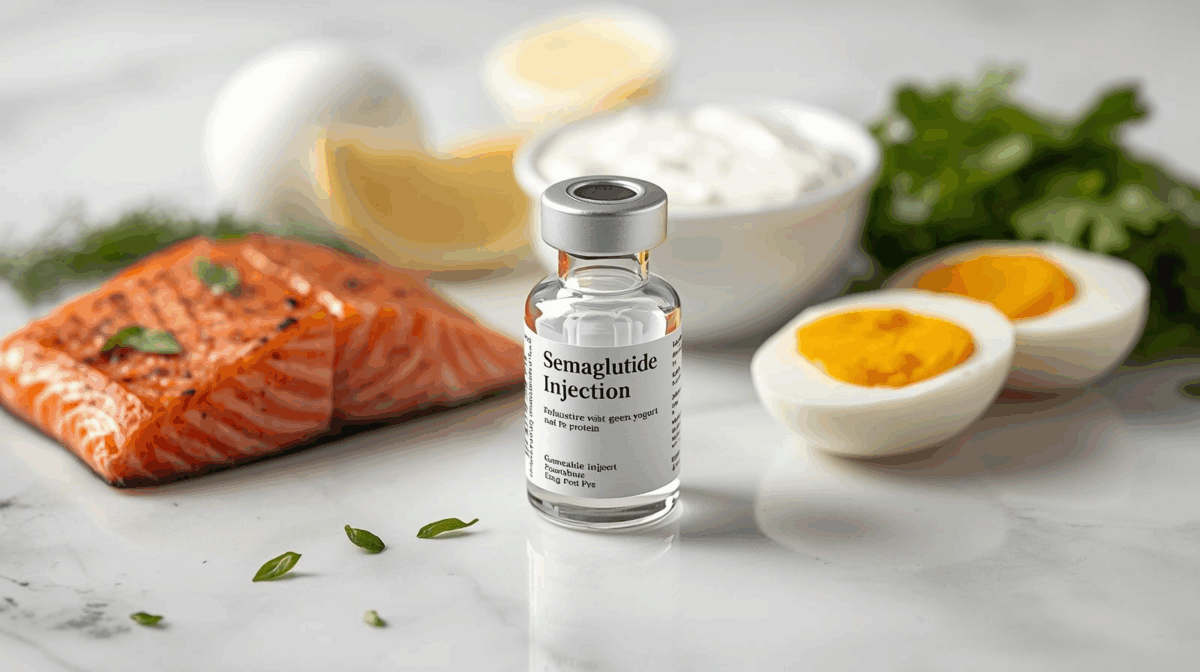
Vitamin A is one of the most critical and most misunderstood nutrients in modern nutrition. Current dietary guidelines often warn that vitamin A is dangerous or potentially toxic, particularly during pregnancy. Yet traditional and indigenous cultures around the world have long prioritized vitamin A–rich foods like liver, egg yolks, and cod liver oil for children and pregnant women, often in amounts that would exceed modern “upper limits” without evidence of widespread toxicity.
So how can both of these things be true?
Watch the Vlog
The answer lies in a crucial detail that is rarely discussed: not all forms of vitamin A behave the same way in the body.
Understanding the difference between real, whole‑food vitamin A (retinol) and its synthetic counterpart, retinyl palmitate, reveals why vitamin A is essential for cellular development, immune health, and tissue repair, while also explaining how the wrong form can create the very risks people are warned about.
What Is Vitamin A and Why Is It Important?
Vitamin A is a fat‑soluble nutrient that plays a role in numerous physiological systems. Unlike some vitamins that support only one metabolic pathway, vitamin A functions as a signaling molecule that influences cellular growth, immune regulation, and gene expression.
Key roles of vitamin A include:
- Conducting immune function and regulating the immune system
- Maintaining the health of epithelial tissues such as the gut lining, lungs, and skin
- Directing the proper development of cells in the retina (eyes) to support vision, both day and night
- Guiding cellular differentiation and development
- Supporting reproductive health and fetal development
Cellular differentiation refers to the process by which immature cells become specialized cells — such as liver cells, lung cells, or neurons. Vitamin A helps guide this process by turning specific genes on and off.
Because of this, vitamin A plays an especially important role during periods of growth, development, and tissue repair.
This importance becomes even more evident during pregnancy. Research has shown that retinoid receptors in reproductive tissues increase dramatically during gestation — in some studies by as much as eightfold — highlighting the essential role vitamin A plays in cellular differentiation and fetal development [1].

Retinol vs. Retinyl Palmitate: One is Dangerous, and One is Essential
Much of the modern misunderstanding around vitamin A comes from the fact that we no longer consume many foods naturally rich in vitamin A and instead rely heavily on synthetic, lab‑created versions to meet our body’s needs. But there are major distinctions between these forms, and all vitamin A is not created equal.
Whole Food Vitamin A (Retinol)
Retinol is the bioactive, preformed version of vitamin A found naturally in animal foods. It is already in a form the body can use and is typically accompanied by other supportive nutrients that assist absorption and utilization [2].
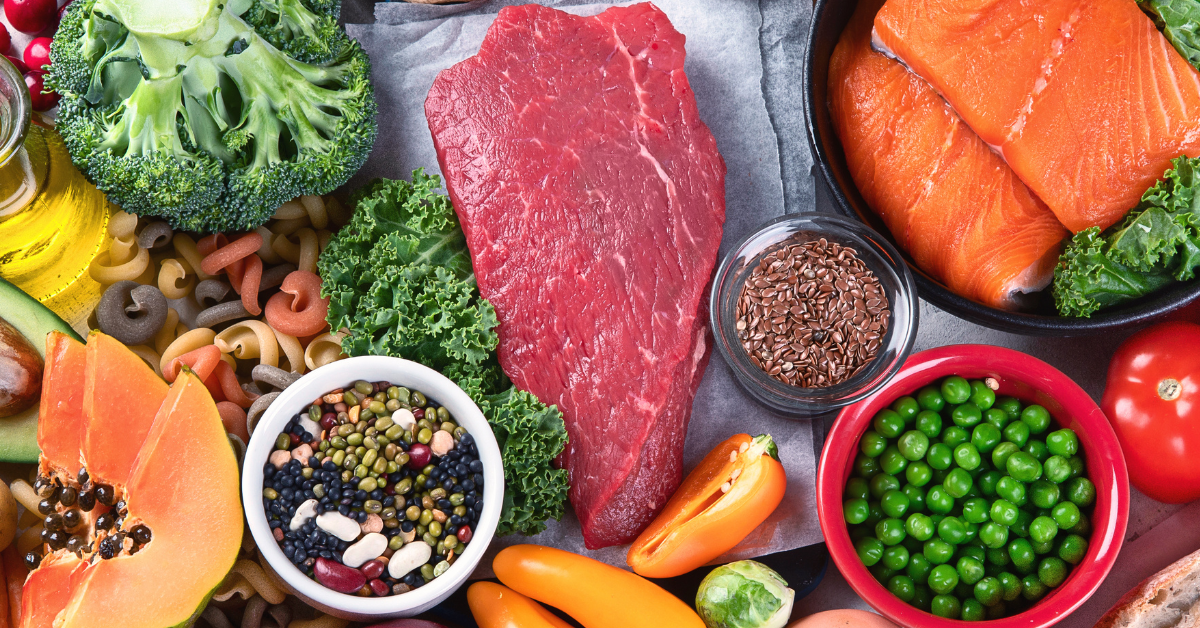
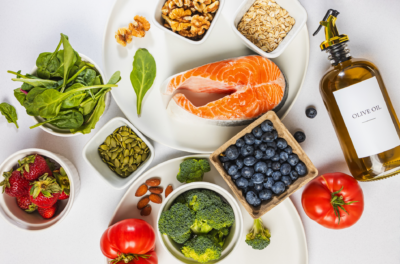
The best whole‑food sources of retinol include:
- Liver
- Cod liver oil
- Egg yolks
- Full‑fat dairy
- Certain fatty fish
Not only do these foods contain ample retinol, but they also provide several key micronutrients that synergize with vitamin A. These include omega‑3 fatty acids, choline, important minerals, and often vitamins D, E, and many of the B vitamins.
The Problem With Synthetic Vitamin A and Vitamin A Precursors
Many modern supplements and fortified foods aim to provide vitamin A in non‑retinol forms. These compounds either mimic vitamin A chemically or act as precursors that must be converted into active retinol by the body. Unlike whole‑food retinol, these forms are often isolated, manufactured, or metabolically indirect sources of vitamin A.
Two of the most common categories include synthetic retinyl esters and plant‑derived carotenoid precursors.
Retinyl Palmitate and Retinyl Acetate
Many supplements and fortified foods contain vitamin A in the form of retinyl esters, most commonly:
- Retinyl palmitate
- Retinyl acetate
The palmitate and acetate versions are produced through industrial synthesis and are frequently used in multivitamins, fortified foods, and some prenatal supplements.
While they are chemically related to vitamin A, they do not occur naturally within the same nutritional matrix found in whole foods like liver or cod liver oil.
Beta Carotene and Retinol Activity Equivalents (RAEs)
Additionally, many supplements aim to provide vitamin A through plant‑based precursors, most commonly beta-carotene or nutrients labeled as retinol activity equivalents (RAEs).
Beta carotene is a carotenoid antioxidant found in plant foods and is responsible for the orange color in foods such as carrots, sweet potatoes, butternut squash, and orange peppers. It functions as a retinol precursor, meaning the body must convert beta carotene into active retinol before it can be used.
RAEs (retinol activity equivalents) are a standardized measure used to estimate how much vitamin A activity the body may obtain from carotenoids such as beta-carotene.
However, research shows that plant‑based precursors are not a reliable source of usable retinol for many people.
Conversion of beta carotene into active vitamin A varies widely between individuals and depends heavily on genetics, digestive health, and metabolic status. Research has shown that conversion rates range from approximately 8 to 24 percent, meaning that only a small portion of the beta carotene consumed is converted to usable retinol. Genetic variation in the BCMO1 enzyme, which converts beta carotene to retinol, can significantly affect this process, as demonstrated in human studies of carotenoid metabolism [3].
In practical terms, a person would need to consume extremely large amounts of carotene‑rich vegetables to reach the same retinol intake that traditional cultures obtained from foods like liver or cod liver oil. In some cases, individuals may need to eat enough carrots or sweet potatoes for their skin to begin taking on a light orange tint before achieving a comparable level of vitamin A intake.
A role for beta carotene: You do need to eat your carrots after all 🥕

That is not to say beta carotene is harmful or unnecessary. In fact, several biological systems depend directly on beta carotene and other carotenoids. For example, beta carotene accumulates in the corpus luteum, the structure that forms around the ovulated egg during the menstrual cycle.
The corpus luteum produces progesterone, the hormone that counterbalances estrogen each cycle. During early pregnancy, progesterone supports the developing embryo and provides one of the first nutrient environments for a newly fertilized egg.
Adequate intake of carotenoid-rich foods is therefore important for overall reproductive and cellular health. While beta carotene serves valuable physiological roles, it is not a reliable source of retinol for maintaining adequate vitamin A status.
Why Vitamin A Is Often Considered “Toxic”
The Study That Shaped Vitamin A Fear
Much of the fear surrounding vitamin A can be traced to a highly publicized 1995 study by Rothman et al., which suggested that intake above 10,000 IU per day during early pregnancy might be associated with birth defects [4]. The paper strongly influenced medical messaging, and the idea that “vitamin A above 10,000 IU causes birth defects” became widely repeated in medical education and prenatal guidance.
However, the conclusions have been widely debated. Critics noted concerns about the small number of cases used to establish the threshold, the classification of defects, and the methods used to estimate vitamin A intake. In short, a single observational study with notable limitations helped shape a sweeping nutritional warning.
When Further Research Looked Again
This pattern is not uncommon in medicine. A similar situation occurred with the early Women’s Health Initiative hormone replacement therapy studies, which initially generated widespread fear around menopausal hormone replacement therapy (MHRT) before later analyses revealed a far more nuanced interpretation of the data. It is now clear that bioidentical MHRT may be protective and beneficial for longevity for many women (when applied in the correct form and context).
Subsequent research on vitamin A in pregnancy has been far less definitive. For example, Mills et al. found no association between vitamin A intake above 8,000–10,000 IU per day and major congenital malformations [5],
One study from Spain reported that doses of 20,000 IU and up to 40,000 IU per day were associated with about a 50% lower risk of birth defects compared with no supplementation, whereas the increased risk signal appeared only above 40,000 IU per day [6]. A large Hungarian study likewise found that vitamin A treatment was significantly less common among pregnancies affected by congenital abnormalities, suggesting a possible protective association rather than teratogenicity at typical intake levels [7].
Fortified Vitamin A vs. Traditional Sources
A large portion of the higher vitamin A intake estimates in the 1995 study likely came from fortified foods, rather than traditional whole‑food sources of retinol. In modern diets, vitamin A is primarily commonly consumed through fortified cereals, snack foods, and multivitamins in the form of retinyl palmitate or retinyl acetate, while relatively few people regularly consume liver or organ meats.
Because vitamin A is fat‑soluble, large amounts consumed repeatedly can accumulate in the body over time. Intake via fortification widely differs from the way retinol is typically consumed in traditional diets.
The Oversimplified Takeaway
Taken together, the evidence suggests that the blanket message that all vitamin A above 10,000 IU is inherently dangerous likely reflects an oversimplified interpretation of a single influential study and exposure patterns that differ significantly from those of traditional dietary sources.
When we compare:
- Vitamin A consumed as isolated, high‑dose synthetic supplements
- Vitamin A consumed from whole foods within a natural nutrient matrix
The distinction becomes clearer. Traditional diets that regularly included vitamin A–rich foods — even above the established tolerable upper limit — do not typically demonstrate widespread vitamin A toxicity. This suggests that context, nutrient form, and dietary patterns influence how the body handles vitamin A.
The Weston A. Price Foundation recommends approximately 20,000 IU of vitamin A per day from whole-food sources, reflecting levels commonly observed in traditional diets that regularly included liver, cod liver oil, egg yolks, and other nutrient-dense animal foods.
Whole Food Vitamin A and the Body’s Natural Regulation
The human body stores vitamin A primarily in the liver and releases it into circulation as needed [8]. When vitamin A is consumed through foods like liver or cod liver oil, it is typically accompanied by fats and cofactors that influence its absorption and utilization.
In studies of traditional African communities where children regularly consume liver and other organ meats, vitamin A intake can exceed the modern tolerable upper limit. Yet researchers have repeatedly found no evidence of hypervitaminosis A in biomarker studies [9, 10]. However, more sensitive isotope-dilution work in a similar population also found hypervitaminotic A liver stores when habitual liver intake overlapped with fortification and supplementation [11]. This suggests that vitamin A from whole foods may be regulated differently by the body.
The retinol absorption pathway helps explain this phenomenon. Real retinol is absorbed in the intestine, packaged into chylomicrons, and transported to the liver, the body’s primary storage site. The liver appears to take up only what it can safely store, and as stores approach saturation, additional uptake declines, acting as a built‑in “fail‑safe” against excess [8].
Synthetic forms such as retinyl palmitate appear to behave differently. Structural differences and slightly greater water solubility may allow these isolated forms to bypass parts of the normal retinol regulatory pathway, increasing systemic circulation and the potential for accumulation [12]. As a result, toxicity risk is most often linked to high‑dose supplemental or fortified vitamin A rather than traditional whole‑food sources.
The nutritional context in which vitamin A is consumed appears to matter more than it’s given credit for in conventional nutrition conversations.
Vitamin A and Gut Health

Vitamin A plays a particularly important role in maintaining gut health. It is necessary for the health of the mucosal layer and gastric mucus production, including the lining of the digestive tract.
The gut lining contains specialized cells that produce mucus and immune molecules that help regulate interactions between the body and the trillions of microbes living in the gastrointestinal tract.
Vitamin A contributes to:
- Maintaining healthy mucosal barriers
- Supporting immune signaling within the gut
- Supporting the production of immunoglobulin A (IgA)
These mechanisms help maintain balance between the body and the gut microbiome. Secretory IgA (sIgA) is particularly important for gut health because it binds to microbes and toxins in the intestinal lining, helping prevent them from attaching to the gut wall while also supporting a stable and diverse microbiome [13].
Vitamin A and Vision
Vitamin A is perhaps best known for its role in eye health and night vision.
The retina relies on vitamin A–derived molecules to convert light signals into nerve signals that the brain can interpret. When vitamin A intake becomes insufficient, night vision problems are often one of the earliest symptoms.
Severe deficiency can eventually affect the structure and function of the eye, underscoring the importance of this nutrient for maintaining visual health.
Vitamin A and Immune Function
Vitamin A is also a critical regulator of the immune system. It helps guide the development and activity of immune cells, supports the integrity of epithelial barriers such as those of the gut and respiratory tract, and helps coordinate immune signaling pathways that regulate inflammation and immune tolerance.
Vitamin A works closely with vitamin D in this process. In simple terms, vitamin A helps regulate the expression and activity of nuclear receptors that vitamin D relies on to carry out many of its immune‑modulating functions. The vitamin D receptor (VDR) must partner with the retinoid X receptor (RXR), which is activated by vitamin A metabolites, in order to regulate gene expression [14]. Without adequate vitamin A, vitamin D signaling may be less effective.
Research on vitamin A and immune regulation has shown that retinoic acid, the active metabolite of vitamin A, plays a central role in controlling immune balance by influencing T‑cell differentiation and promoting immune tolerance mechanisms that help prevent inappropriate immune activation [15].
Because of these roles, adequate vitamin A status has been associated with improved immune resilience and with mechanisms that may help reduce the development of autoimmune responses by maintaining an appropriate balance between immune activation and immune tolerance. Vitamin A obtained from traditional whole‑food sources, such as liver or cod liver oil, also naturally occurs alongside nutrients like vitamin D and omega‑3 fatty acids that support complementary immune pathways.
Possible Signs of Low Vitamin A Status
Some signs that may sometimes be associated with insufficient vitamin A status include:
- Vision problems: poor night vision, dry eyes
- Skin problems: keratosis pilaris (small bumps on the back of the arms), dry or rough skin, dry flaky skin, cracked lips
- Immune dysfunction: frequent infections, slow wound healing
- Growth and development issues: infertility, impaired growth in children, reproductive dysfunction, recurrent miscarriages
- Metabolic symptoms: fatigue, weakness, reduced taste or smell
These symptoms alone are not diagnostic, but they may indicate that nutrient status should be evaluated more closely.
Choosing High‑Quality Vitamin A Supplements
Because supplement quality varies widely, it is important to carefully evaluate ingredient labels and choose only the highest‑quality products on the market.
By now, it should be clear that I strongly recommend avoiding any products containing synthetic retinyl palmitate. I also do not recommend relying on supplements that use beta‑carotene or RAEs as a primary source of vitamin A.
This leaves two practical options:
- Vitamin A from whole‑food sources (regular beef liver consumption — roughly 2–3 oz per week — daily free‑range eggs with yolks, and grass‑fed dairy products, ideally raw when available). I recognize that this approach is not a preferred, realistic, or viable option for many people. In those cases, defer to option 2.
- Whole‑food‑based retinol from high‑quality cod liver oil.
Option 2 is the method I personally use and recommend for clients who need vitamin A support.
⚠️ IMPORTANT NOTE: Processing methods strongly affect the quality of cod liver oil. Excessive heat, bleaching, or chemical processing can degrade naturally occurring vitamins and omega‑3 fats. As a result, many manufacturers reintroduce synthetic versions into the product, which completely defeats its purpose and, in my opinion, makes it far less viable.
The only brand I personally use and recommend is Formula IQ Cod Liver IQ. During processing, the delicate vitamins and omega‑3s are filtered out to stabilize the oil, then carefully added back in. Because of this, it retains the highest naturally occurring levels of vitamin A and vitamin D of any product I have seen.
*Use my code WellnessIQ10 for 10% off.*
A Food‑First Approach to Vitamin A

In functional nutrition, nutrients are often best understood in the context of whole foods rather than isolated compounds.
Foods such as liver, egg yolks, and high‑quality fish provide vitamin A along with other nutrients that support balanced metabolism.
For individuals seeking personalized guidance on nutrient status, dietary patterns, and supplement choices, working with a practitioner trained in functional nutrition can help determine what the body actually needs.
At WellnessIQ, we use comprehensive blood panels and clinical assessments to evaluate nutrient status, identify imbalances, and build individualized protocols that support long‑term metabolic health.
The Bottom Line: Form, Dose, and Context Matter
Vitamin A is not inherently dangerous, nor is it a miracle nutrient that should be taken indiscriminately.
Like many nutrients, its impact depends on form, dosage, and context.
Understanding the difference between whole food retinol and synthetic vitamin A (retinyl palmitate) can help clarify much of the confusion surrounding vitamin A supplementation.
When approached thoughtfully — with attention to diet quality, supplement formulation, and individual physiology — vitamin A can play an important role in supporting immune function, gut health, vision, and overall metabolic balance.
Want Personalized Guidance on Your Nutrition and Labs?

If you are unsure whether your current supplements are supporting your health — or potentially working against it — a personalized evaluation can provide clarity.
Inside the WellnessIQ approach, we combine:
- Functional blood testing
- Lifestyle and nutrition assessment
- Supplement and medication review
This allows us to determine which nutrients your body actually needs, in the right forms and appropriate doses.
This is particularly important during preconception, pregnancy, and fertility planning, when adequate nutrient status — including vitamin A — plays a critical role in cellular development, reproductive health, and healthy fetal growth. In my clinical work, prenatal and fertility nutrition is a major focus because there is arguably no other stage of life when proper nutrient balance matters more.
If you would like help interpreting your labs and building a personalized plan for your health, you can schedule a free discovery call to learn more about working together.