
A Neuroimmune Mechanism that Functional Medicine Can No Longer Ignore
Histamine intolerance and Mast Cell Activation Syndrome (MCAS) are often framed as immune disorders driven by food reactions, allergens, or enzyme deficiencies. Yet many patients continue to experience debilitating symptoms despite strict dietary control, antihistamines, and mast cell stabilizers. This disconnect has forced clinicians to look upstream, beyond immune cells alone, toward the nervous system.
One neuropeptide in particular, Substance P, has emerged as a critical and underrecognized driver of histamine release, mast cell activation, and chronic inflammatory symptoms.
Substance P sits at the intersection of stress physiology, neuroimmune signaling, and gut–immune crosstalk. Understanding its role helps explain why histamine symptoms worsen with stress, why reactions occur without allergies, and why nervous system regulation is often essential for long-term healing.
P.S. Free nervous system reset below!
What Is Substance P and Why Is It Relevant to Histamine Intolerance?
Substance P is a neuropeptide that’s 11 amino acids in length, belonging to the tachykinin family, and is widely distributed throughout the central nervous system, peripheral sensory neurons, and enteric nervous system. It functions as a neurotransmitter and neuromodulator involved in pain perception, inflammation, vascular permeability, and immune activation (1). Substance P exerts many of its effects through the neurokinin-1 receptor (NK-1R), although additional receptors have been identified in immune cells.
In histamine intolerance and MCAS, Substance P is important because it can directly activate mast cells and induce histamine release independently of normal histamine activation pathways (such as IgE-mediated pathways) (2). This means symptoms can occur in the absence of positive allergy testing, creating clinical confusion for patients and providers alike.

How Substance P Functions as a Neuroimmune Signaling Molecule
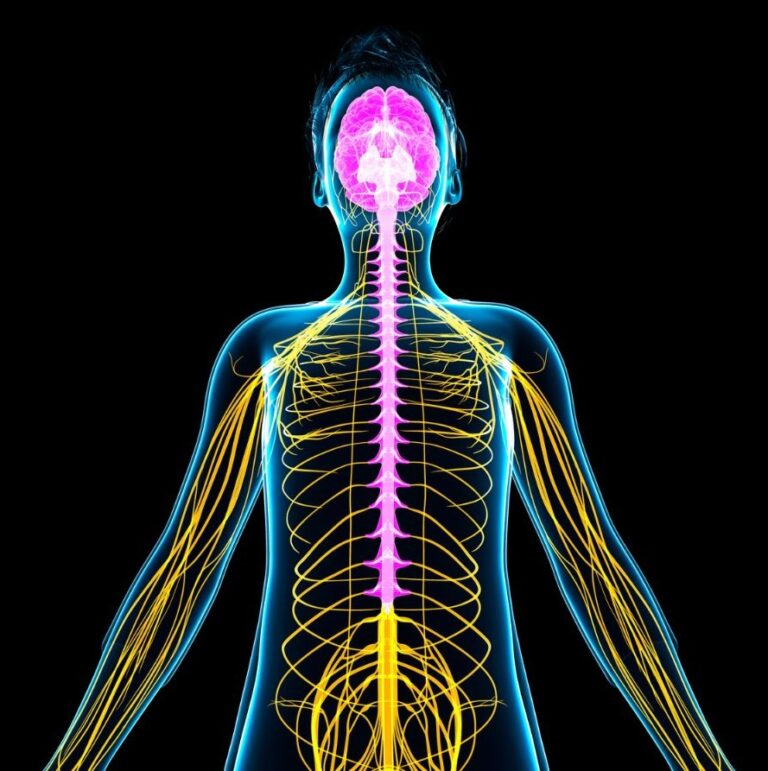
Substance P is released from sensory nerve endings in response to stress, mechanical stimulation, injury, infection, and inflammatory signals (3). Once released, it acts locally on blood vessels, immune cells, and epithelial tissues to amplify inflammatory responses. Mast cells are uniquely positioned to respond to Substance P because they are located near nerve endings in the skin, gut, respiratory tract, and bladder.
Neuroimmune communication allows the nervous system to rapidly influence immune behavior. In states of chronic stress or inflammation, this signaling becomes exaggerated, contributing to persistent mast cell activation and histamine release (4).
Does Substance P Activate Mast Cells and Trigger Histamine Release?
The ability of Substance P to induce mast cell degranulation has been documented for decades. Early studies demonstrated that Substance P directly triggers histamine release from human skin mast cells and rodent mast cells in vitro (5). Subsequent research confirmed that this effect is dose-dependent and does not require IgE or allergen exposure (6).
This mechanism is central to understanding non-allergic histamine reactions. Mast cells exposed to Substance P release histamine, tryptase, prostaglandins, leukotrienes, and inflammatory cytokines, all of which contribute to systemic symptoms of MCAS and histamine intolerance (7).
How Substance P Activates Mast Cells and Causes Histamine Release
More recent research has identified a specific protein on mast cells, the Mas-related G-protein-coupled receptor MRGPRX2, as a key receptor for substance P. Once substance P binds to this receptor, it induces mast cell activation in humans (8). Activation of MRGPRX2 leads to rapid mast cell degranulation (how mast cells release their inflammatory contents) and histamine release, independent of IgE, providing a clear biological explanation for MCAS and histamine intolerance presentations that do not follow classic allergy patterns.
The number of MRGPRX2 receptors expressed on mast cells, ready to bind Substance P, is increased in inflammatory conditions and chronic stress states, further sensitizing mast cells to neuropeptide signaling (9).

Why This Pathway Explains “Histamine Reactions Without Allergies”
Patients with histamine intolerance frequently report symptoms such as flushing, itching, headaches, gastrointestinal distress, and cardiovascular changes despite negative allergy testing. Substance P-MRGPRX2 signaling bypasses traditional allergic pathways entirely, making standard diagnostic approaches for MCAS and histamine intolerance insufficient (10). This neuroimmune mechanism reframes histamine intolerance as a disorder of signaling dysregulation rather than exposure alone, underscoring the necessity of nervous system support as a root-cause approach for healing MCAS and histamine intolerance.
Is Substance P a Driver of Histamine Intolerance & Mast Cell Activation Syndrome (MCAS)?
MCAS is characterized by inappropriate mast cell activation across multiple organ systems. Increasing evidence supports a role for neurogenic inflammation, driven by Substance P, in maintaining chronic mast cell sensitization (11). Mast cells exposed to repeated neuropeptide stimulation develop lower activation thresholds (meaning less stimuli are required to elicit a reaction), leading to frequent and unpredictable symptom flares.
Neurogenic Inflammation and Chronic Mast Cell Sensitization
Neurogenic inflammation refers to inflammation initiated and sustained by the nervous system. Substance P released from sensory neurons promotes mast cell degranulation, while mast cell mediators further stimulate nerve endings, creating a self-perpetuating feedback loop (12). This loop has been implicated in chronic pain syndromes, migraines, interstitial cystitis, and functional gastrointestinal disorders, all of which commonly overlap with MCAS (13).
Why Stress Makes Histamine and MCAS Symptoms Worse
Stress is one of the most consistent triggers reported by patients with histamine intolerance and MCAS. This relationship is not psychological; it is biochemical. Stress activates the hypothalamic–pituitary–adrenal axis and sympathetic nervous system (aka, your fight-or-flight response). This activation increases the release of Substance P from sensory neurons (14).
Elevated Substance P during stress directly stimulates mast cells, increases vascular permeability, and amplifies inflammatory signaling (15). This explains why emotional stress, trauma, illness, or sleep deprivation can provoke severe histamine and MCAS symptoms even in the absence of dietary triggers.
Substance P, the HPA Axis, and Sympathetic Nervous System Activation: The Fight-or-Flight on-Switch
Experimental studies demonstrate that stress-induced neuropeptide release enhances immune activation and cytokine production (16). Chronic stress leads to sustained elevations in Substance P, contributing to immune dysregulation and persistent inflammation (17). For patients with histamine intolerance, stress management becomes a core therapeutic target rather than an adjunct.

How Substance P Impacts the Gut–Immune Interface
The gastrointestinal tract contains the largest network of sensory neurons outside the brain. Substance P is abundantly expressed in the enteric nervous system (the nervous system of the GI tract), where it regulates motility, secretion, and immune surveillance (18). Intestinal mast cells are highly responsive to neuropeptides, particularly in inflamed or dysbiotic environments.
Histamine-Triggered Gastrointestinal Symptoms: the Enteric Nervous System and Intestinal Mast Cells
Studies of intestinal biopsies show that Substance P enhances histamine secretion from mast cells in inflamed gut tissue but not in healthy controls, suggesting that inflammation sensitizes mast cells to neuropeptide signaling (19). This mechanism is particularly relevant in patients with IBS, IBD, and functional gut disorders associated with histamine intolerance.
Substance P and Leaky Gut: The Histamine Connection
Substance P increases intestinal permeability (aka ‘leaky gut’) by disrupting tight junction proteins and promoting mast cell mediator release (20). Increased permeability allows gut-surfase antigens. bacteria, and microbial produced molcules to activate an immune response, further amplifying histamine burden and systemic inflammation (21).
Why Antihistamines Alone Often Fail in MCAS and Histamine Intolerance
Antihistamines block histamine receptors but do not prevent mast cell activation or address upstream neuroimmune triggers. Substance P continues to stimulate mast cells even when histamine receptors are blocked, leading to partial or inconsistent symptom relief (22). This limitation explains why many patients plateau on the conventional ‘antihistamine cocktail.’
Downstream Symptom Control vs Upstream Neuroimmune Triggers
Long-term improvement requires addressing the drivers of mast cell activation, including:
- Addressing nervous system dysregulation
- Calming gut inflammation
- Restoring balance to chronic stress physiology.
Without addressing Substance P signaling, symptom suppression alone is unlikely to produce durable remission.
How Functional Medicine Addresses Substance P-Driven Histamine Activation
Functional medicine emphasizes regulation rather than suppression. A multifactorial approach is not optional for healing this complex condition. By targeting nervous system balance, immune optimization, and gut integrity, Substance P signaling can be modulated indirectly but effectively.

Nervous System Regulation as a Core Clinical Strategy: Your Non-Negotiable Starting Point
Interventions that enhance parasympathetic activity and reduce sympathetic overdrive have been shown to lower inflammatory neuropeptide signaling and improve immune regulation (23). This supports the clinical observation that vagal tone and stress resilience are critical for histamine tolerance.
This is where I always clinically begin with all MCAS and Histamine Intolerance clients, as it’s the only effective means of restoring the root-cause triggers underneath MCAS. Highly effective strategies include:
- Guided visualizations during high stress or before engaging with known flare triggers.
- Emotional Freedom Technique (tapping).
- Deep breathing exercises.
- Guided relaxations/body scans.
Because many MCAS patients experience flares from food, I’ve personally observed that when MCAS clients perform these neuromodulatory exercises before meals, they actively shift their nervous system into a more parasympathetic state (into rest-digest-repair and out of fight-or-flight) and drastically reduce food-triggered flares.
A Free Guided Nervous System Recalibration
A regulated nervous system is the solid ground that must be in place for MCAS stabilization to happen. This free guided visualization walks you through calming an overactive nervous system step-by-step.
How to Fix Substance P Naturally: Mast Cell Stabilization and Neuroinflammatory Modulation
Natural flavonoids such as quercetin and ursolic acid, bromelain, holy basil, and others powerful herbs have demonstrated mast cell-stabilizing and neuroinflammatory-modulating effects (24, 25). Quercetin and ursolic acid have been shown to specifically reduce mast cell responsiveness to Substance P by inhibiting MRGPRX2-mediated mast cell degranulation (24, 25). We have observed these nutraceutical interventions to be especially helpful when paired with neuromodulatory exercises.
Natural mast cell stabilizing agents are another essential phase-1 step in our approach to healing MCAS and histamine intolerance, along with providing nervous system-supporting nutrients like choline, omega-3s, and coenzymated b vitamins.
Is Substance P a Missing Piece in Your Histamine Issues?
Substance P should be considered in patients with histamine intolerance or MCAS who experience stress-triggered flares, multi-system symptoms, poor response to antihistamines, or overlapping chronic pain and gut disorders.
If you’re not including clear and explicit strategies to repair nervous system balance, your current care plan may be missing a vital and foundational element needed for true healing to occur.

What This Means for Long-Term Healing in Histamine Intolerance and MCAS
Recognizing Substance P as a neuroimmune driver reframes histamine intolerance as a systems-level disorder requiring nervous system regulation, gut repair, and immune recalibration. Addressing this pathway allows for more precise, better personalization, and more effective care.
Ready to Address Histamine Intolerance at the Root?
At Wellness IQ, we specialize in MCAS, Histamine Intolerance, long-COVID, and other forms of dysautonomia. knowledgeable, educated, and experienced with the appropriate combination of therapies required for truly healing MCAS and Histamine Intolerance – and we see it routinely happen for clients.
If your histamine intolerance or Mast Cell Activation Syndrome feels unpredictable, stress-sensitive, or resistant to diet and supplements alone, it may be time to look deeper at the neuroimmune drivers involved. And, if your current approach is not accurately dentifying and addressing the underlying mechanisms—like nervous system dysregulation, mast cell activation, and gut–immune signaling—the symptoms and triggers will perpetuate themselves and the cycle will continue.
If you’re ready for a personalized, root-cause approach to histamine issues, you can book a complimentary 20-minute discovery call to explore whether functional testing and individualized care are the right next step for you.
👉 Schedule your 20-minute discovery call with Wellness IQ here.