
You’re eating the big salad. You’re blending the green smoothie. You’re doing everything the wellness world told you to do, and your gut still feels bloated, heavy, gassy, and crampy.
If that sounds familiar, you’re not doing it wrong. A struggling gut is often being asked to do a job that it doesn’t have the resources to efficiently handle yet. Raw, fibrous foods ask a lot of digestion, and a gut that’s already irritated may not be ready for this workload.
This blog walks through why I always start gut healing with soft-cooked foods first, how this supports gut healing, and why soup turns out to be such a practical tool.
P.S. Free 3-Day Gut Reset Below
Your Gut Uses Up A Lot of What You Eat
Healing is a construction project, and construction needs materials.
Your gut lining is one of the busiest tissues in your body. It renews itself continuously, with cells replaced every few days [1], [2]. It’s constantly producing protective mucus and housing a large share of your immune system.
All of that work runs on nutrients, and your gut takes its share before the rest of your body gets any.
Protein is a good example. Studies of first-pass metabolism show that the gut and its neighboring tissues keep roughly 20 to 50 percent of certain essential amino acids we eat, depending on the amino acid and the person, and some are taken up at even higher rates [3]. In adult humans, roughly 30 percent of ingested lysine and 58 percent of ingested phenylalanine are taken up on the first pass through the gut and liver [3].
So what does that mean for you? There is a hierarchy here. Your gut is first in line for the protein you eat. That’s why I take protein seriously in a gut healing plan. Amino acids are your building blocks for repair.
The catch is that these proteins need to be as easy to digest as possible, because a struggling gut has a hard time absorbing nutrients.
A Quick Nutritional Biochem Refresher: macros on a road trip
You’ve probably heard the saying “a calorie is a calorie.”
It isn’t.
A calorie is a unit of energy, and it comes packaged in three distinct forms as macronutrients:
- protein,
- fat, and
- carbohydrates.
Each one has a different job, so it helps to think of your body’s ability to “burn calories” in this car analogy.
Protein is the car itself. It’s the building block for your cells, tissues, hormones, and neurotransmitters. It’s the structure that gets you down the road.
Carbs and fats are the fuel. Carbs are the gasoline: quick burning energy sources. Fats are the oil in the engine: slower burning energy. All three macros are essential, and appropriate balance is what matters for healing and health maintenance.
That’s a useful analogy when it comes to weight loss and metabolic health, but it’s often overlooked when it comes to gut healing.
What’s more, if macros are the car and its fuel, micronutrients are the gears that run the cellular machinery of the body.
Vitamins and minerals direct what your cells actually do with macros, and everything else. You can have a solid frame and a full tank and still go nowhere if the gears aren’t turning.
This is why restoring micronutrient foundations is always the #1 core starting point with every client, no matter what health concern we’re working on. If your body has what it needs to do its job well, everything else will work more efficiently.
This is vital for gut healing, as your gut is the first and direct interface that’s extracting, absorbing, sorting, and delivering nutrients to every cell in your body.
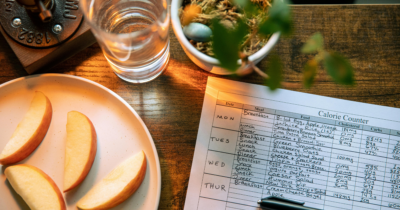
Micronutrients for Gut Healing: When Your Gears are Locked
We get vitamins and minerals from food, and plant foods are some of the best sources. The catch is that much of what’s in a raw vegetable sits inside tough cell walls made of fiber, and those walls are hard for us to break down on our own [4].
Fiber is a very good thing. It feeds the microbes in your gut, and those microbes help break fiber down and release some of what’s locked inside [5]. But that partnership has a requirement: you need a gut in good enough shape to house your microbes in the first place.
When digestion is already irritated, a big pile of raw fiber can mean more bloating, more gas, and less nutrition absorbed, because the work of ‘unlocking’ those nutrients depends on a system that needs more upstream support before it can do this job efficiently. It’s like upgrading the transmission fluid to your car without clearing out the old fluids first – that system is far less efficient.
This is the gap between a food being ‘good for you’ and a food being usable by you right now.
While fiber diversity is an essential part of a healthy gut ecosystem, if you find that you feel worse when adding fiber to your diet, that tells us we need to work on upstream factors first.
Why Cooked Vegetables Come First in Gut Healing
Our gut has incredible systems in place to break down, extract, churn, and absorb nutrients. It begins when you chew, stomach acid and enzymes play vital roles, and your gut produces mechanical ‘squeezing’ processes to break foods down into their individual building blocks.
This process is essential for accessing the resources in the foods you eat that heal your body. But these processes depend on resources. When your gut function is impaired, you can’t adequately digest and absorb nutrients from food.
The good news is that cooking does some of the digestive work before the food ever reaches your gut.
Gentle, low-and-slow heat softens fiber and starts to break down plant cell walls, which makes the nutrients inside easier to reach [4]. A soft, cooked carrot asks far less of your digestion than a raw one. For some nutrients, like the carotenoids in carrots and tomatoes, cooking can even increase how much your body absorbs [6], [7].
Raw foods still have a place. Some nutrients, vitamin C for example, hold up better when food isn’t heated, and plenty of people do well with a mix of salads and raw vegetables. Cooked-first is a temporary starting point for a gut that needs a break. It isn’t a rule for life.
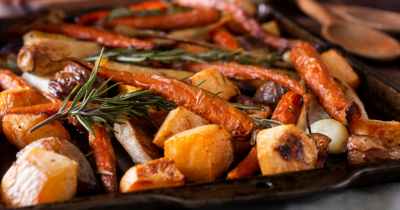
Preserving Nutrients for Gut Healing
Here’s where soup comes in.
Water-soluble nutrients, including vitamin C, the B vitamins, and some minerals, can leach out of vegetables into the cooking water. If you boil vegetables and pour that water down the drain, part of what you were cooking for goes with it.
Cooking in liquid that you actually consume keeps those nutrients in the pot, and subsequently, in your body.
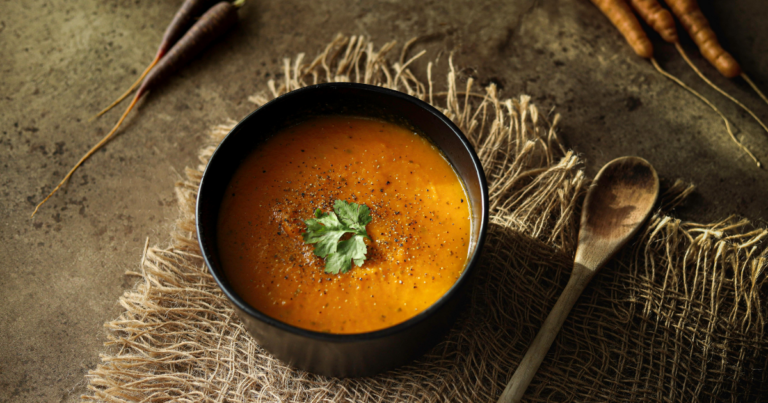
That’s the logic of my gut-healing soup recipes. Slow cooking softens the fiber (and proteins), and the broth holds on to what moves out of the vegetables, so you drink the nutrients instead of losing them.
Don’t Skip the Chew
There’s one more piece of the digestion puzzle that has nothing to do with the stove: chewing.
Digestion starts in your mouth, before food ever reaches your stomach. When you chew thoroughly, you’re signaling your brain that food is on the way, and your body starts getting ready. Saliva flows, and your digestive system begins preparing the secretions it will need [8], [9]. Chewing is also the first step of the mechanical breakdown of food. It turns bites into smaller pieces with far more surface area, which gives your digestive enzymes more to work with downstream [10], [11].
So chew your food completely, until it’s well broken down rather than swallowed in chunks. It’s a simple habit, and it takes some of the load off a gut that’s already working hard.
This is also where smoothies run into trouble. Blending does break fiber down mechanically. But a smoothie skips the chew entirely. You drink it in minutes, so your brain never gets the cue that digestion is needed, and you miss that first stage of breakdown.
Then all of it, often cold, lands in an unsuspecting gut that wasn’t prepared. A large volume of cold liquid arriving without that preparation further impairs digestion efficiency and limits absorption capacity. This is why I have all clients avoid smoothies during the initial healing phase. Smoothies aren’t off the table forever, but your gut needs more support before it can handle them.
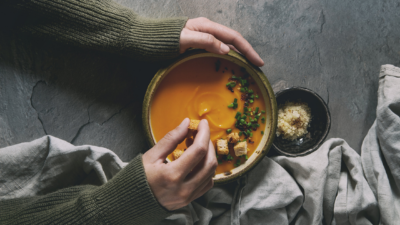
Soup As a Practical Tool
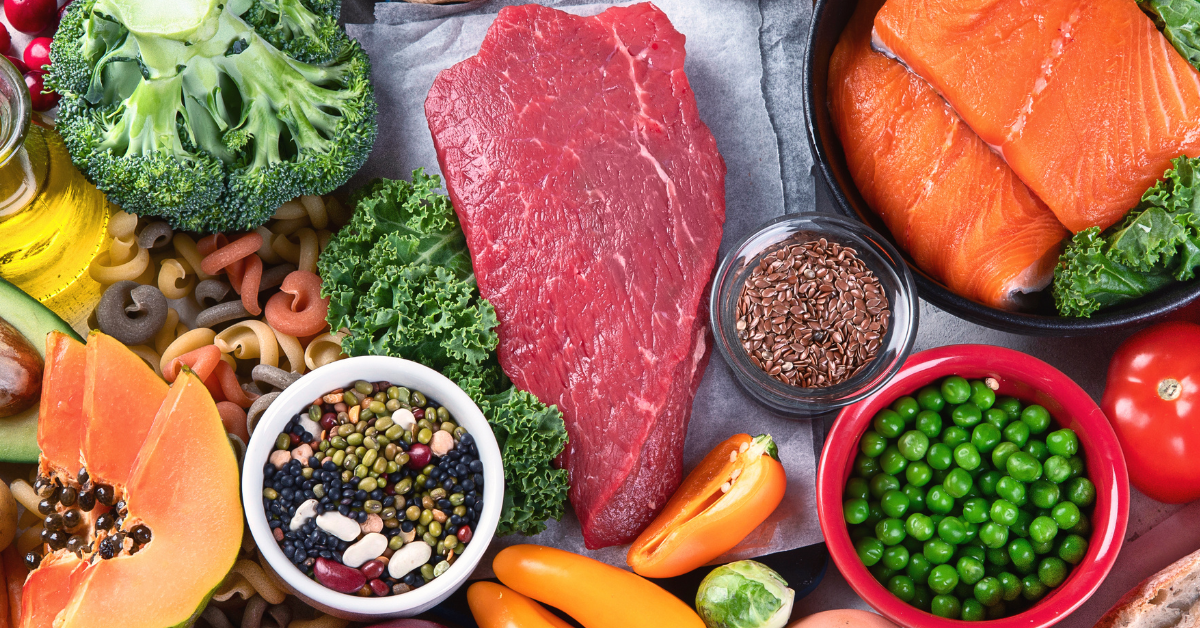
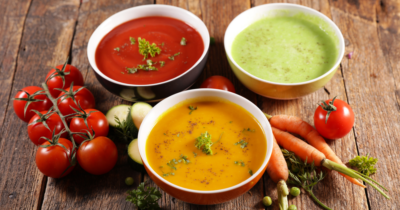
A well-built gut healing soup covers most of what we’ve talked about in a single meal:
- Protein to supply the building blocks
- Soft, well-cooked vegetables, so the fiber is easier on your digestion
- A nutrient-rich liquid that holds on to what leaves the vegetables
- Warmth and hydration, which many people find easier on the gut than cold or heavy foods
- Easy batch cooking, because you’re more likely to keep going when dinner is already made
Combine all of these in one pot and you get soup.
Make it with bone broth and add anti-inflammatory spices like ginger, oregano, and turmeric, and you have a gut healing meal packed into a single bowl.
One note on broth. Long-simmered bone broth is popular for gut healing, but it’s also higher in histamine, which doesn’t sit well with people who have histamine intolerance or MCAS. In my work with MCAS and histamine intolerance, I’ve found that putting out the histamine fire must always come before a gut healing program. If you suspect this is driving your symptoms, learn more in my blog post on foundational histamine intolerance and MCAS support.
It’s also worth saying that not everyone needs the same soup. If you’re dealing with SIBO, histamine issues, or another complex gut condition, ingredients like onion, garlic, and mushrooms may need swapping. That’s exactly where individualized support helps. Working with a trained gut health nutrition specialist can make the difference between meals that heal and meals that exacerbate symptoms.
A 21-Day Gut Healing Program
Food-first healing is the cornerstone of this program. For 21 days, every meal is built around gut-healing therapeutic foods. This program is fully mapped out and structured so you aren’t deciding what to eat while your gut and your energy are low.
The goal isn’t to avoid raw foods forever. This program is designed to give your gut a steady stretch with healing nutrients that your body can actually use so you can jumpstart the healing process.
After that, you can build variety back in using the information you’ve learned about how your body responds.
The program includes:
- Weekly meal plans for all 3 weeks
- Prep guides
- 20+ gut-healing recipes
- Weekly grocery lists with shopping shortcuts
- Educational videos and modules explaining the why behind each step.
- Self-paced, so you can move at a speed that works for you.
The program is fully self-guided and highlights the idea that we should “let food be thy medicine.” Supplements are intentionally kept to a minimum, with a focus only on foundational nutrient support.

When You Need More Precision
The 21-Day Gut Healing Program is a generalized, food-based approach. It gives most people a strong starting point, but it isn’t as precise as the individualized gut healing work I do with clients who have completed a full gut test.
A comprehensive gut test shows where your gut needs the most support. That can include how well you digest and break down food, how well you absorb nutrients, intestinal permeability (often called leaky gut), inflammation and microbial immune stimulation, an imbalanced microbiome, impaired short-chain fatty acid production, imbalanced pH, and GI motility. Those findings guide which supplements and dietary strategies make sense for you, and which ones you can skip.
In my practice, I use the Vibrant Wellness Gut Zoomer for this. Clients who work with me one-on-one on gut healing build their plan around those results.
Testing isn’t necessary for everyone, and this program is a good place to start. If your symptoms persist or you want a more tailored plan, a gut test is the most direct way to bring precision to your approach. If you’d like to do a gut test, or just talk through whether it makes sense for you, you can book a discovery call.
If a food-first foundation is where you want to start, try it for three days first. The free 3-Day Gut Reset gives you a gentle, soup-based starting point:
When you’re ready for the full plan, the 21-Day Gut Healing Program ($99) takes you through all three weeks.
This post is educational and doesn’t replace individualized medical advice. If you’re pregnant, managing a medical condition, or taking medications, check with your healthcare provider before changing how you eat.
References
Numbered to match the in-text citations:
- Gehart H, Clevers H. Tales from the crypt: new insights into intestinal stem cells. Nat Rev Gastroenterol Hepatol. 2019. doi:10.1038/s41575-018-0081-y
- van der Flier LG, Clevers H. Stem cells, self-renewal, and differentiation in the intestinal epithelium. Annu Rev Physiol. 2009;71:241-260.
- Wu G. Intestinal mucosal amino acid catabolism. J Nutr. 1998;128(8):1249-1252. PMID 9687539. (The 30% lysine and 58% phenylalanine first-pass figures are summarized in this review from primary human studies.)
- Plant cell walls: impact on nutrient bioaccessibility and digestibility. Foods. 2020;9(2):201. doi:10.3390/foods9020201. PMID 32079083. (Add author names from PubMed.)
- Flint HJ, Scott KP, Louis P, Duncan SH. The role of the gut microbiota in nutrition and health. Nat Rev Gastroenterol Hepatol. 2012;9:577-589. doi:10.1038/nrgastro.2012.156
- Rock CL, et al. Bioavailability of beta-carotene is lower in raw than in processed carrots and spinach in women. J Nutr. 1998;128(5):913-916.
- Livny O, Reifen R, Levy I, et al. Beta-carotene bioavailability from differently processed carrot meals in human ileostomy volunteers. Eur J Nutr. 2003;42(6):338-345. PMID 14673607.
- Mattes RD. Physiologic responses to sensory stimulation by food: nutritional implications. J Am Diet Assoc. 1997;97:406-410, 413.
- Role of thought, sight, smell, and taste of food in the cephalic phase of gastric acid secretion in humans. Gastroenterology. 1986;90(2):428-433. PMID 3940915. (Add author names from PubMed.)
- Effect of mastication on lipid bioaccessibility of almonds in a randomized human study and its implications for digestion kinetics, metabolizable energy, and postprandial lipemia. Am J Clin Nutr. 2015;101(1):25-33. PMID 25527747. (Add author names from PubMed.)
- Cassady BA, Hollis JH, Fulford AD, et al. Mastication of almonds: effects of lipid bioaccessibility, appetite, and hormone response. Am J Clin Nutr. 2009;89:794-800.
Notes on scope:
- Refs 6 and 7 cover carrots (and spinach in ref 6). I did not verify a peer-reviewed source for tomatoes, so either add one (a 1997 Am J Clin Nutr study on lycopene from tomato paste vs. fresh tomatoes is a lead, details unconfirmed) or change the sentence to “carotenoids in carrots.”
- Refs 10 and 11 are almond studies. They show chewing changes particle size and nutrient release for almonds, so the chewing claims are general physiology, not food-specific data.
- Ref 8 notes that cephalic phase responses are real but small and short-lived, and that the importance is not fully known. The current wording (“starts getting ready”) fits; avoid stronger claims.