
I bet you’re reading this because someone told you to eat more fiber. Maybe by your doctor, maybe ChatGPT, or perhaps it was me. So you tried. You added the bran cereal, stirred a scoop of Metamucil into your water, bought the high-fiber protein bars. Then you felt more bloated than before.
It’s not you. It’s your gut microbes.
The instructions to “eat more fiber” treat it as though it’s one single thing. The research tells a more interesting story. There are numerous types of fiber, and they all work differently.
The type of fiber, how it’s prepared, and the gut that receives it all shape what it does in your body. Two foods with identical fiber counts can behave very differently, and the same fiber can help one person while leaving another crampy, bloated, and gassy.
P.S. Free 7 Day Functional Meal Plan Below!
What is Fiber, Really?
Fiber is a carbohydrate, like sugars and starches. But unlike those carbohydrates, which are broken down, absorbed, and raise your blood sugar, fiber resists digestion, and most types act locally within the gut.
You’ve probably heard that fiber “doesn’t get digested.” Emerging research shows that isn’t entirely true: your gut microbes can ferment certain fibers into metabolites, sometimes called postbiotics, that feed your cells both in your gut and throughout your body. Other types of fiber add bulk to keep things moving and flowing well.
What Does Fiber Do in Your Gut?
Most carbohydrates are broken down and absorbed in the small intestine. Fiber isn’t. It travels intact to the colon, where trillions of bacteria are waiting for it.
Those bacteria ferment certain fibers into short-chain fatty acids (SCFAs), mainly acetate, propionate, and butyrate. It works like a food chain: some microbes break fiber into intermediate products, and other species convert those products into important SCFAs like butyrate [1].
Butyrate is the preferred fuel of the cells lining your colon. In laboratory work on human colon cells, butyrate accounted for roughly three-quarters of their energy use when it was available [2]. Burning butyrate also uses up oxygen, which keeps the colon low in oxygen. This matters because certain microbes thrive in oxygen-rich environments. Animal research shows optimal butyrate production favors beneficial bacteria and limits the growth of potentially harmful ones, such as certain strains of E. coli [3].
Butyrate helps your gut cells maintain a strong intestinal barrier. In other words, when you eat fermentable fiber, you’re feeding the microbes that feed your gut lining.
Soluble vs. Insoluble Fiber: What’s the Real Difference?
You’ve likely seen fiber split into two categories. Soluble fiber dissolves in water; insoluble fiber doesn’t. It’s a useful starting point, but researchers have argued it misses what matters most [4]. Two other properties do a better job of predicting what a fiber will do.
Viscosity. Some fibers form a thick gel in the gut. That gel slows digestion, softens blood sugar spikes, and traps bile acids, which is how certain fibers lower cholesterol [4]. They trap bile acids, which your liver makes from cholesterol, and carry them out for excretion instead of reabsorption. Your liver then pulls cholesterol from your blood to replace them.
Fermentability. Some fibers are readily broken down by gut bacteria, producing short-chain fatty acids and also gas.
Psyllium shows why this distinction matters. It’s soluble and forms a strong gel, but it’s only minimally fermented [4]. That’s why it can soften and form stool with less gas than many other fibers. A highly fermentable fiber might feed your microbes well but leave a sensitive gut feeling bloated.
We’ve already discussed the vital role of butyrate, but a proper balance of SCFAs also matters for gut balance. Different fibers and microbes make different SCFAs, and proper balance is key. Acetate is an important SCFA, but at too high a level, it can disrupt the gut pH and cause problems. Acetate is the component of vinegar that gives it a tangy and sour taste. Diversity in fermentable fiber intake and gut microbiome balance is essential for a healthy gut ecosystem.
Anthropologist Richard Lee found that the hunter gatherer tribes eat 85-100 different plant species weekly [5]. That’s far more plant variety than most modern diets offer. Different foods contain different fiber types; this underscores the importance of dietary diversity and intentional food-first fiber additions to our diet for ongoing gut support.
Why Two Kiwis Are Better than One Fiber Supplement
In a study of adults with constipation or IBS, participants spent four weeks eating two green kiwifruit daily and four weeks taking 7.5 grams of psyllium daily, with a break in between. Both provided roughly 6 grams of fiber per day [6].
Kiwifruit added an average of 1.69 complete bowel movements per week. Psyllium added 0.90. Both helped, and the kiwi helped more.
Why would matching grams produce different results? Foods differ in structure and in how their fibers hold water. An MRI study in healthy adults found that kiwifruit increased water content in the small bowel and colon [7]. We don’t know exactly why kiwi came out ahead, but the result is a strong case for reaching for whole fruit.
The takeaway is encouraging: two kiwis a day is a simple, affordable, food-first habit with clinical trial support [6]. Psyllium helped too, so both are worth having in your toolkit.
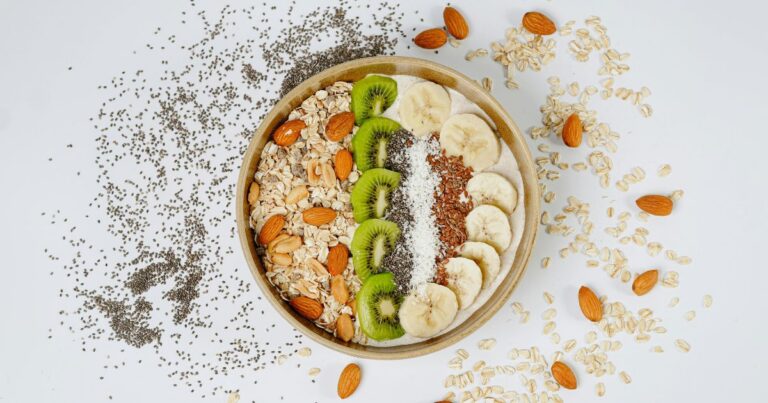
Try a yogurt bowl topped with kiwi, nuts, ground flaxseed, cacao nibs, and a spoonful of soaked chia seeds for even more gut-supportive fiber (add the kiwi right before eating so the yogurt stays sweet). Give it a try for a couple of weeks and let me know how your own ‘n of 1’ experiment, research-speak for a study of one, goes.

Oatmeal and Cholesterol: Why the Form Matters
Oats are one of the best-studied foods for cholesterol, thanks to a soluble fiber called beta-glucan. Beta-glucan forms a viscous gel in the small intestine. The thickness of that gel depends on the length of its molecules, known as molecular weight.
In a trial of 345 adults with elevated LDL, 3 grams a day of long-chain oat beta-glucan lowered LDL by about 8 mg/dL compared with a control. Four grams a day of a short-chain version had no clear effect [8]. The larger dose of the shorter molecule did less.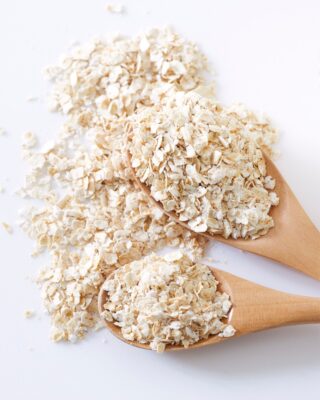
Processing shapes that chain length. Boiling oats largely preserves it. Extrusion, the high-heat, high-pressure process used for puffed cereals and many oat bars, can shorten it substantially [9]. Form affects blood sugar too. Steel-cut oats produced a smaller glucose rise than instant oats or oat-based cereal at the same amount of carbohydrate [10].
The benefit holds up across the research: in 28 trials, oat beta-glucan lowered LDL by roughly 10 mg/dL on average, with the biggest improvements in people who started with higher cholesterol [11]. One trial using oat bran bread found molecular weight made no measurable difference [12], a good reminder that the whole food matters, not just the fiber number on a label!
Nutrition labels list grams of beta-glucan, never molecular weight. The most reliable choice is the form the strongest trials used: cooked steel-cut or rolled oats.
Are overnight oats as healthy as cooked oats? They’re a great option. In one trial, oats soaked overnight in milk produced a much smaller blood sugar response than a refined hot cereal [13]. Cooking dissolves more beta-glucan [9], so cooked oats most closely match the cholesterol research, but overnight oats still deliver fiber without the stove. If instant oats are your go-to for convenience, try steel-cut oats soaked overnight instead: just as easy, and far less processed. For a protein-packed version, try my Proats recipe.
Why Does Fiber Make Some People Bloated?
Each fiber feeds a different set of microbes, and each gut responds in its own way. A Stanford study gave healthy adults two purified fibers, arabinoxylan and inulin, at increasing doses [14]. Arabinoxylan, found in grains and psyllium, lowered LDL cholesterol on average. Inulin didn’t, and at the highest dose some participants showed a rise in inflammatory markers. Individual responses varied widely. At least one person’s cholesterol improved on inulin but not on arabinoxylan [14].

Inulin deserves a closer look. It’s a prebiotic found in onions, garlic, leeks, asparagus, and chicory root, and it reliably feeds beneficial Bifidobacterium [14]. It’s also a fructan, one of the fermentable carbohydrates (FODMAPs) known to trigger IBS symptoms and worsen symptoms of SIBO (small intestinal bacterial overgrowth). In a placebo-controlled trial, 77% of people with IBS reported poorly controlled symptoms when given fructans, compared with 14% on a placebo sugar [15].
Isolated inulin, often listed as “chicory root fiber,” now shows up in protein bars, powders, and low-sugar treats. If a high-fiber product leaves you uncomfortable, that’s useful information about your gut environment. Sometimes the dose was simply too high. For others, it can point to an imbalance like bacterial overgrowth in the small intestine. A personalized gut reset protocol and nutrition plan, guided by functional testing when it’s warranted, can help restore microbial balance.
Are Fermented Foods Better Than Fiber for Gut Health?
Another Stanford trial assigned healthy adults to either a high-fiber or a high-fermented-food diet for 17 weeks [16]. In the fermented-food group, microbial diversity rose and inflammatory markers fell. In the high-fiber group, on average, neither changed.
Fiber wasn’t inert, though. Microbes in the high-fiber group increased their fiber-digesting capacity, and participants’ immune responses split into distinct patterns that tracked with how diverse their microbiome was at the start [16]. Fiber’s effect depended on the gut receiving it.
Fermentation is essentially a head start on the work your gut microbes do. Microbes break down the food before you eat it, producing beneficial metabolites and, in many foods, live probiotic bacteria. Those microbes then join the community that feeds on the fiber you eat, so fiber and fermented foods work best together. Try adding a small daily serving of kefir, plain yogurt, sauerkraut, kimchi, or miso alongside your fiber-rich meals.
If you’re histamine-sensitive, fermented foods can be a trigger. My histamine blog walks through how to approach them.
Mushroom Beta-Glucans: A Different Kind of Fiber
Mushrooms are a good source of fiber, including beta-glucans with a different structure than those in oats. Rather than forming a thick gel, fungal beta-glucans interact with the immune system, and mushrooms contain other bioactive compounds that researchers are still sorting out.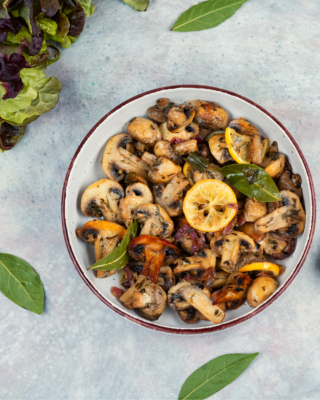
The research on mushrooms is broad. Lab studies suggest mushroom compounds have antiviral activity, and a concentrated turkey tail extract called PSK, studied alongside chemotherapy, has been associated with improved survival in gastrointestinal cancers [17, 18]. Everyday mushrooms show promise too: in one trial, healthy adults who ate shiitake mushrooms daily for four weeks had stronger immune cell activity, higher levels of a gut-protective antibody (secretory IgA), and lower markers of inflammation [19].
We don’t yet know how much of this comes from the fiber versus other compounds, but mushrooms are an easy, whole-food way to get both. Try sauteed shiitakes in a stir-fry, finely chopped mushrooms blended into meatballs or pasta sauce, or a mushroom-rich soup.
Gourmet mushrooms have a deep, umami flavor similar to meat. Finely chopped and cooked mushrooms in meatloaf, meatballs, or tomato sauces are a great way to get your kids to eat more fiber and enjoy the taste of it!
Gel-Forming Fibers: Flax, Chia, Psyllium, and More
Mucilaginous fibers form a slippery gel when mixed with water. That gel can coat and soothe the digestive tract, soften stool, and slow sugar absorption.
- Psyllium has the strongest supplement-level evidence for constipation, along with pectin, the fiber found in apples [20]. Take it with plenty of water, and space it about two hours from medications, since it can affect absorption.
- Flaxseed outperformed both a standard laxative and psyllium in small trials [21, 22]. Grind it for better digestibility, mix into sugar-free applesauce and you have a fiber-loaded healthy treat to support digestion.
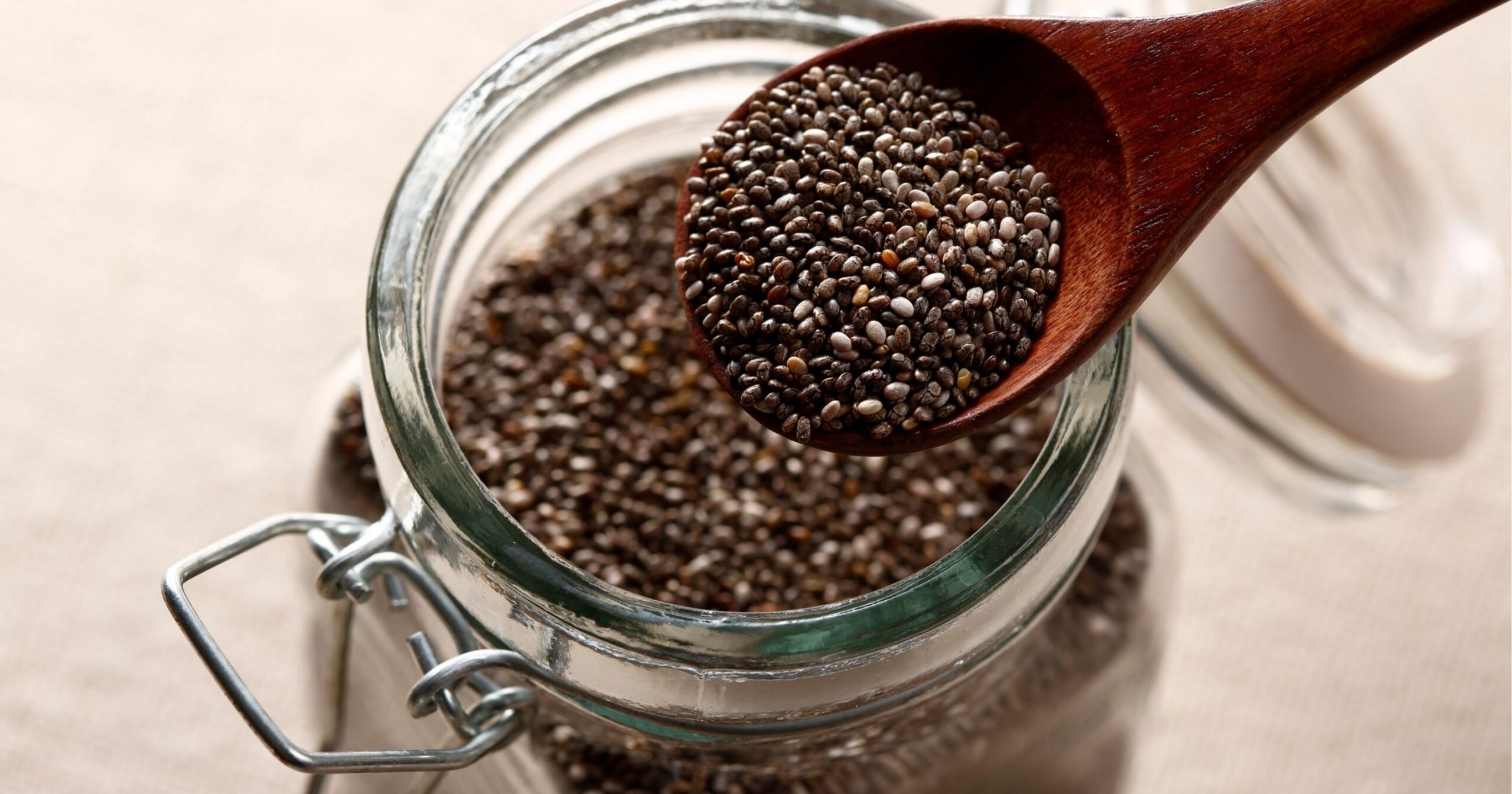
- Chia and basil seeds gel quickly. Soak them before eating, especially for children as they swell a lot. Chia seed pudding makes for an excellent fiber-rich treat.
- Okra is a whole-food source of mucilage that works well in soups, stews, and – my favorite method – flame-grilled.
- Aloe vera juice is a powerful gut superfood. Use inner-leaf gel only and discard the outer green layer [23].

How to Get More Fiber Without the Bloat
- Aim for variety across fiber types rather than more grams of one kind.
- Increase slowly over several weeks, and drink more water as you go. Gas commonly rises when fiber intake goes up [20].
- Choose cooked steel-cut or rolled oats over instant packets and puffed oat cereals.
- Try two kiwis a day if regularity is your goal.
- Include fermented foods if you tolerate them.
- Check labels for chicory root fiber or inulin if bars and powders bother you.
When Fiber Isn’t Working for You
If you’ve added fiber and felt worse, or you’ve tried every gut-health tip without lasting change, your body is giving you information worth investigating. That’s where personalized support makes a difference.
Start with my free 7-Day Meal Plan for practical, fiber-rich meals you can put on the table this week. If you’re ready to understand what your own gut needs, book a discovery call to talk through working together.
Jordan Casey, MS, is a functional medicine nutritionist and founder of Wellness IQ, specializing in gut health, POTS, long COVID, histamine intolerance/MCAS, and PCOS/hormones. She works with clients in Marietta, Canton, and remotely.
References
- Louis P, Flint HJ. Formation of propionate and butyrate by the human colonic microbiota. Environ Microbiol. 2017;19(1):29–41. Link
- Roediger WE. Role of anaerobic bacteria in the metabolic welfare of the colonic mucosa in man. Gut. 1980;21(9):793–798. Link
- Byndloss MX, et al. Microbiota-activated PPAR-γ signaling inhibits dysbiotic Enterobacteriaceae expansion. Science. 2017;357(6351):570–575. Link
- McRorie JW, McKeown NM. Understanding the physics of functional fibers in the gastrointestinal tract. J Acad Nutr Diet. 2017;117(2):251–264. Link
- Lee RB. What hunters do for a living, or, how to make out on scarce resources. In: Lee RB, DeVore I, eds. Man the Hunter. Aldine; 1968. Lee RB. The !Kung San: Men, Women, and Work in a Foraging Society. Cambridge University Press; 1979.
- Gearry R, et al. Consumption of 2 green kiwifruits daily improves constipation and abdominal comfort. Am J Gastroenterol. 2023;118(6):1058–1068. Link
- Wilkinson-Smith V, et al. Mechanisms underlying effects of kiwifruit on intestinal function shown by MRI in healthy volunteers. Aliment Pharmacol Ther. 2019;49(6):759–768. Link
- Wolever TMS, et al. Physicochemical properties of oat β-glucan influence its ability to reduce serum LDL cholesterol in humans. Am J Clin Nutr. 2010. Link
- Mohammadi N, et al. Not all β-glucans are equal: processing-induced structural diversity of oat β-glucan and its functional and health outcomes. Food Res Int. 2026. Link
- Wolever TMS, et al. Br J Nutr. 2019. Link
- Whitehead A, et al. Cholesterol-lowering effects of oat β-glucan: a meta-analysis of randomized controlled trials. Am J Clin Nutr. 2014. Link
- Frank J, et al. J Nutr. 2004. Link
- Wolever TMS, et al. Glycaemic and insulinaemic impact of oats soaked overnight in milk vs. cream of rice with and without sugar, nuts, and seeds: a randomized, controlled trial. Eur J Clin Nutr. 2018. Link
- Lancaster SM, et al. Global, distinctive, and personal changes in molecular and microbial profiles by specific fibers in humans. Cell Host Microbe. 2022;30(6):848–862. Link
- Shepherd SJ, et al. Dietary triggers of abdominal symptoms in patients with irritable bowel syndrome: randomized placebo-controlled evidence. Clin Gastroenterol Hepatol. 2008;6(7):765–771. Link
- Wastyk HC, et al. Gut-microbiota-targeted diets modulate human immune status. Cell. 2021;184(16):4137–4153. Link
- Sakamoto J, et al. Efficacy of adjuvant immunochemotherapy with polysaccharide K for patients with curatively resected colorectal cancer: a meta-analysis. Cancer Immunol Immunother. 2006;55(4):404–411. Link
- Ma Y, et al. Can polysaccharide K improve therapeutic efficacy and safety in gastrointestinal cancer? A systematic review and network meta-analysis. Oncotarget. 2017;8(51):89108–89118. Link
- Dai X, et al. Consuming Lentinula edodes (shiitake) mushrooms daily improves human immunity. J Am Coll Nutr. 2015;34(6):478–487. Link
- van der Schoot A, et al. The effect of fiber supplementation on chronic constipation in adults: an updated systematic review and meta-analysis. Am J Clin Nutr. 2022;116(4):953–969. Link
- Sun J, et al. Effects of flaxseed supplementation on functional constipation and quality of life in a Chinese population. Asia Pac J Clin Nutr. 2020;29(1):61–67. Link
- Soltanian N, Janghorbani M. Effect of flaxseed or psyllium vs. placebo on management of constipation, weight, glycemia, and lipids. 2019. Link
- Boudreau MD, et al. Toxicol Sci. 2013;131(1):26–39. Link