

Let me guess: you’ve tried every diet out there. You’ve counted calories, tracked macros, eliminated entire food groups, bought the supplements, followed the programs, and maybe even lost weight… only to gain it back (plus some) within months.
You’ve been told it’s simple: eat less, move more. Calories in, calories out. Just have more willpower. Just be more disciplined.
But here’s what you’ve probably noticed: it’s not that simple. Not even close.
Maybe your body seems to fight weight loss at every turn. Maybe you lose weight easily at first, then hit a wall where nothing works anymore. Maybe you’re eating the same way as someone else who’s losing weight effortlessly, but your body just won’t budge. Maybe you’re doing everything “right” according to conventional advice, but the scale won’t move, and you’re exhausted, frustrated, and starting to wonder if something is actually wrong with your body.
Here’s the truth that the diet industry doesn’t want you to know: conventional diets fail because they ignore the root causes of why your body is holding onto weight in the first place.
Weight isn’t just about calories and willpower. It’s about hormones, inflammation, gut health, stress, sleep, nutrient status, and complex metabolic processes that diet culture completely ignores. When these underlying systems aren’t functioning properly, no amount of calorie restriction or exercise will create sustainable weight loss. Your body will actively resist it.
This is where functional medicine changes everything. Instead of another diet protocol or meal plan, functional medicine asks a completely different question: why is your body holding onto weight? What are the root causes that need to be addressed for your body to feel safe releasing stored fat?
At Wellness IQ, we’ve worked with clients in Marietta, Canton, and throughout Georgia who’ve tried every diet under the sun without lasting results. When we shift the focus from “eat less, move more” to identifying and addressing the metabolic, hormonal, and inflammatory root causes keeping them stuck, sustainable weight loss finally becomes possible.
Why Conventional Diets Don’t Work Long-Term
The diet industry is worth over $70 billion, yet obesity rates keep climbing. If diets worked, we wouldn’t need new ones every year. So what’s actually happening?
Your Metabolism Adapts (And Not in a Good Way)
When you drastically cut calories, your body doesn’t just passively accept the deficit. It adapts. Your metabolism slows down to match your reduced intake. This is called metabolic adaptation, and it’s a survival mechanism designed to protect you from starvation.
Here’s what happens:
Your thyroid function decreases. Your thyroid regulates your metabolic rate, and when you restrict calories, your body produces less active thyroid hormone (T3), slowing your metabolism by 20-30% or more.
Your hunger hormones go haywire. Ghrelin (your hunger hormone) increases significantly, while leptin (your satiety hormone) decreases. This means you feel hungrier and less satisfied after eating, even when you’re eating adequate amounts.
Your body becomes more efficient at storing fat. After a period of restriction, your body becomes hypersensitive to incoming calories, quickly shuttling them into fat storage “just in case” another famine is coming.
Your muscle mass decreases. When you cut calories too low, especially protein, your body breaks down muscle for energy. Less muscle means a slower metabolism, making it even harder to lose weight.
The cruel irony? The more diets you’ve tried, the more your metabolism has adapted. Each cycle of restriction and regain (yo-yo dieting) makes it progressively harder for your body to lose weight. This isn’t a character flaw. This is biology.
The Restriction-Binge Cycle
Most diets are built on restriction: foods you can’t eat, calories you can’t have, times you can’t eat. And for most people, extreme restriction eventually leads to the opposite: binging, “falling off the wagon,” or what you might call “losing control.”
But here’s what’s actually happening: when you restrict too much, your body perceives this as a threat. Your brain increases cravings for high-calorie foods (a survival mechanism to ensure you get enough energy). Your willpower eventually runs out (because willpower is a finite resource), and you end up eating far more than you would have if you’d never restricted in the first place.
Then comes the guilt, the feeling of failure, the “I’ll start over Monday” mentality. You might restrict even harder to compensate, which just perpetuates the cycle.
This isn’t a willpower problem. This is a biological response to deprivation. Your body is literally designed to fight restriction.
Diets Ignore Root Causes
This is the most important point: conventional diets assume that excess weight is simply caused by eating too much and moving too little. But for most people struggling with weight, this is a massive oversimplification.
If you have insulin resistance, thyroid dysfunction, high cortisol from chronic stress, gut dysbiosis or leaky gut, chronic inflammation, hormonal imbalances, nutrient deficiencies, poor sleep, or toxic burden, then no amount of calorie counting will address why your body is holding onto weight. These underlying dysfunctions create an environment where your body actively resists fat loss, regardless of how “clean” your diet is or how much you exercise.
This is why two people can follow the exact same diet and get completely different results. It’s not about who has more willpower. It’s about whose underlying metabolism, hormones, and inflammation are supporting weight loss versus fighting it.
The Functional Medicine Approach to Weight
Functional medicine flips the script entirely. Instead of starting with “What should I eat?” we start with “Why is my body holding onto weight?”
We look at weight as a symptom, not a character flaw. And we investigate the root causes that are creating metabolic resistance to weight loss.
Here’s what we assess at Wellness IQ:
Hormones
Your hormones are the master regulators of metabolism, hunger, fat storage, and energy expenditure. When hormones are imbalanced, sustainable weight loss is nearly impossible.
Key hormones we evaluate:
Insulin. This is often the most important hormone for weight. When you’re insulin resistant (which is incredibly common and often undiagnosed), your body over-produces insulin in response to carbohydrates. High insulin blocks fat burning and drives fat storage, especially around your midsection.
Thyroid. Your thyroid controls your metabolic rate. If your thyroid is underactive (even sub clinically), you’ll struggle to lose weight no matter how little you eat. Symptoms include fatigue, cold intolerance, constipation, hair loss, and stubborn weight.
Cortisol. Your stress hormone. Chronic stress and elevated cortisol drive belly fat storage, increase cravings for sugar and carbs, disrupt sleep, and interfere with thyroid function and insulin sensitivity.
Sex hormones. Estrogen dominance (too much estrogen relative to progesterone) promotes fat storage. Low testosterone (in both men and women) reduces muscle mass and metabolic rate.
Leptin. Your satiety hormone. Leptin resistance means your brain can’t properly sense when you’re full, leading to overeating and constant hunger despite adequate food intake.
When these hormones are out of balance, your body is biochemically driven to hold onto fat. No amount of willpower can override that.
Gut Health
Your gut health has a profound impact on weight, and most people (and most doctors) completely overlook this connection.
Your gut bacteria influence weight. Research shows that people with obesity have different gut bacteria compositions than people at healthy weights. Certain bacterial species are more efficient at extracting calories from food, while others support fat burning and metabolic health.
Gut inflammation drives whole-body inflammation. Chronic inflammation (often stemming from gut dysfunction) interferes with insulin signaling, thyroid function, and leptin signaling, all of which make weight loss difficult.
Leaky gut disrupts metabolism. When your gut lining is permeable, bacterial endotoxins leak into your bloodstream, triggering systemic inflammation and insulin resistance.
Poor digestion means poor nutrient absorption. If you’re not absorbing nutrients properly (due to low stomach acid, enzyme deficiencies, or gut damage), you can’t produce the hormones and cellular energy needed for a healthy metabolism.
This is why improving gut health often leads to spontaneous weight loss. When your gut is functioning properly, your metabolism works better.
Inflammation
Chronic inflammation is one of the biggest hidden drivers of weight gain and metabolic dysfunction.
When your body is inflamed (from gut issues, food sensitivities, environmental toxins, chronic stress, or infections), several things happen: insulin resistance develops or worsens, leptin resistance increases, thyroid conversion decreases, cortisol increases, and muscle breakdown accelerates. You end up in a vicious cycle where inflammation drives weight gain, and excess weight drives more inflammation.
Identifying and addressing sources of inflammation is essential for sustainable weight loss.
Common Root Causes of Weight Struggles
Based on our work with clients at Wellness IQ, here are the most common root causes we identify:
Insulin Resistance
Insulin resistance is when your cells stop responding properly to insulin, so your body produces more and more insulin to get glucose into cells. The problem? High insulin blocks fat burning and drives fat storage.
Signs of insulin resistance include difficulty losing weight (especially around your midsection), energy crashes after meals, intense cravings for sugar and carbs, darkened skin patches, high fasting glucose or insulin, and elevated triglycerides.
Insulin resistance develops gradually from genetics, poor diet (especially excess refined carbs and sugar), chronic stress, lack of physical activity, poor sleep, and inflammation.
The good news? Insulin resistance is reversible with the right approach.
Thyroid Dysfunction
Your thyroid controls your metabolic rate, so even mild thyroid issues can make weight loss incredibly difficult.
The most common pattern we see is subclinical hypothyroidism, where TSH is slightly elevated but still within “normal” range, or poor T4-to-T3 conversion, where your body isn’t converting inactive thyroid hormone to active thyroid hormone.
Conventional doctors often miss these patterns because they only test TSH. At Wellness IQ, we run comprehensive thyroid panels to see the complete picture.
Cortisol Dysregulation
Chronic stress keeps cortisol elevated, which promotes fat storage (especially visceral fat), increases blood sugar and insulin levels, breaks down muscle tissue, interferes with thyroid function, increases appetite and cravings, and disrupts sleep.
Many clients have been living in chronic stress for so long that they don’t even realize how dysregulated their cortisol is until we test it. When we address cortisol through stress management, sleep optimization, and targeted support, weight loss often follows naturally.
Gut Dysbiosis
An imbalanced gut microbiome can make you more efficient at extracting calories from food and storing them as fat.
Research shows that certain bacterial species are overrepresented in people with obesity, while beneficial species are depleted. When we rebalance the microbiome through personalized protocols, clients often lose weight without changing their diet dramatically.
Why “Calories In, Calories Out” Is Incomplete
The conventional weight loss model assumes that if you eat fewer calories than you burn, you’ll lose weight. And in a vacuum, yes, thermodynamics apply. But your body is not a simple machine.
Here’s what CICO ignores:
Hormones determine what your body does with calories. 100 calories of sugar affects your body completely differently than 100 calories of protein or fat. Your metabolic rate isn’t fixed. It adapts based on how much you eat, what you eat, your stress levels, your sleep, and your activity. Inflammation and insulin resistance change how efficiently your body uses energy. Gut bacteria influence how many calories you extract from food. Stress, sleep, and other lifestyle factors influence hunger, cravings, and metabolism in ways that can’t be captured by simple calorie math. This is why obsessively tracking calories rarely leads to sustainable weight loss. The question isn’t “How many calories am I eating?” It’s “Why is my body holding onto fat?”
What Sustainable Weight Loss Actually Looks Like
When you address root causes instead of just restricting calories, weight loss looks completely different.
Addressing Root Causes First
We start with comprehensive testing: fasting glucose and insulin, HbA1c, complete thyroid panel, sex hormones, cortisol, inflammation markers, nutrient levels, stool testing for gut health, and food sensitivity testing. From there, we create a personalized protocol that might include insulin sensitivity support, thyroid optimization, gut healing, inflammation reduction, stress management, and nutrient repletion.
Personalized Nutrition
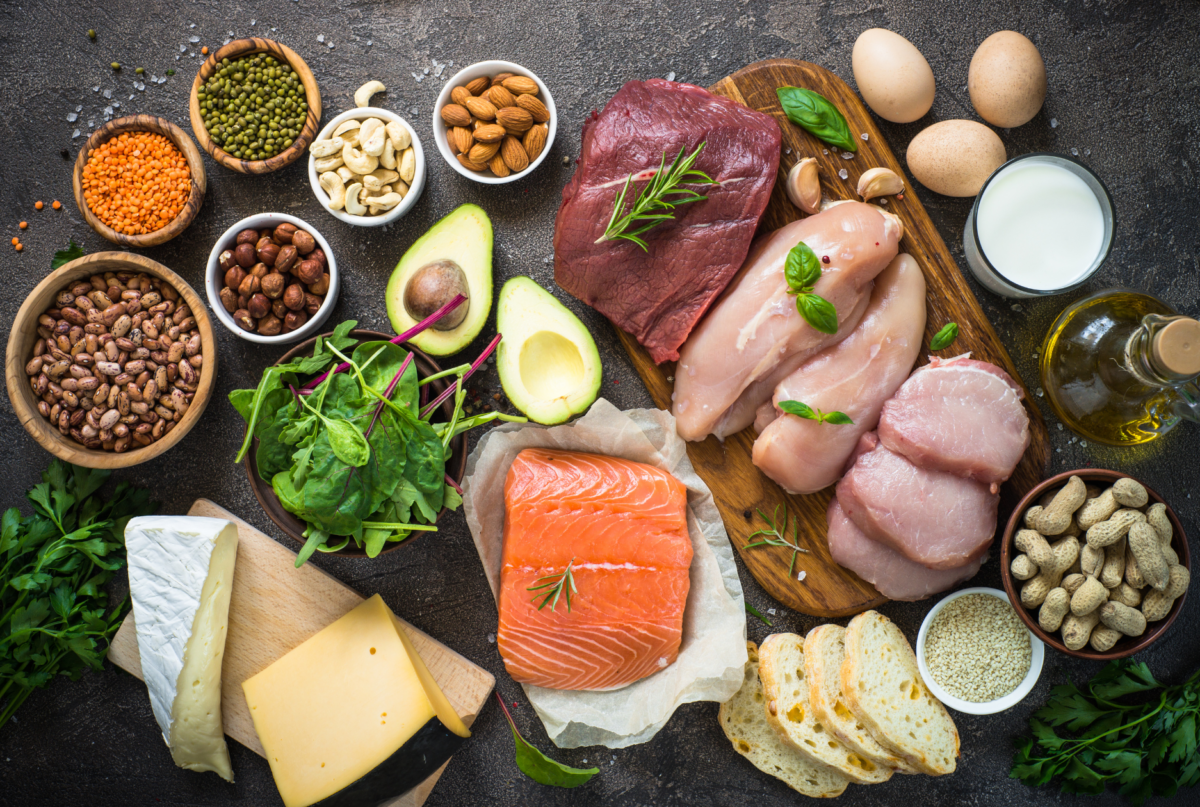
Once we understand your root causes, we create nutrition guidelines tailored to your specific metabolism: blood sugar balancing strategies, adequate protein, anti-inflammatory foods, gut-healing foods, nutrient-dense whole foods, and strategic meal timing.
The goal isn’t restriction. The goal is nourishment and metabolic support.
Lifestyle Factors as Medicine
Sustainable weight loss requires 7-9 hours of sleep, stress management practices, strength training plus daily walking, reducing toxic exposure, and community support.
Tracking Progress Beyond the Scale
We track energy levels, sleep quality, mood, digestion, cravings, lab markers, how clothes fit, and body composition. Often, clients see dramatic improvements in these areas before the scale moves significantly.
Patience and Consistency
Healing your metabolism takes time. If you’ve been struggling with weight for years, it might take 6-12 months to fully restore metabolic health. But unlike diets you white-knuckle through, this approach is sustainable because you’re not fighting your body. You’re supporting it.
Lab Testing That Reveals Why You Can’t Lose Weight
At Wellness IQ, comprehensive functional medicine testing often reveals patterns that conventional testing misses: insulin resistance despite “normal” glucose, subclinical hypothyroidism with poor T3 conversion, elevated cortisol, gut dysbiosis with low beneficial bacteria, and multiple nutrient deficiencies.
These findings explain why standard weight loss approaches haven’t worked and guide us toward personalized protocols that address your specific metabolic blocks.
Your Path Forward
If you recognize yourself in this article—if you’ve tried multiple diets without lasting success, if you suspect something deeper is going on with your metabolism—you’re not broken, and it’s not about willpower.
Your body is responding to underlying dysfunction that needs to be identified and addressed. When you take a functional medicine approach that investigates and treats root causes, sustainable weight loss becomes possible.
At Wellness IQ, we specialize in helping clients throughout Marietta, Canton, Roswell, and virtually across Georgia finally understand why their body has been resisting weight loss and create personalized protocols that work with their biology, not against it.
Book a free 20-minute consultation to discuss your weight loss struggles, your health history, and whether functional medicine testing could reveal what you’ve been missing. We’ll talk about comprehensive lab work, personalized protocols, and what sustainable weight loss looks like when you address root causes.
You don’t have to keep trying diets that fail. There’s a better way forward, and we’re here to help you find it.
Wellness IQ provides personalized functional medicine for weight loss, metabolic health, hormonal imbalances, and chronic conditions. Serving clients in Marietta, Canton, Roswell, and throughout Georgia.