

How common household endocrine disruptors are creating hormonal chaos – and simple swaps that can restore balance
Join my live Thriving Through Perimenopause Webinar on Aug 14th, 2025, to learn how to improve your home environment, diet, and lifestyle to feel your best through this season of life! https://l.bttr.to/7NQcU
Your hormones are under attack, and the enemy is hiding in plain sight throughout your home. From the candle burning on your coffee table to the lotion you applied this morning, everyday household products are quietly disrupting your endocrine system in ways that can affect everything from your energy levels to your fertility. Understanding how this happens – and what you can do about it – is the first step toward reclaiming your hormonal health.
How Your Hormones Work (And Why It Matters)
Before we dive into what’s disrupting your hormones, let’s understand how this incredibly complex system is supposed to function.
Your body produces several different hormones that regulate various systems essential to keeping you alive:
- Thyroid hormones (T3, T4, TSH) – control metabolism and energy
- Sex hormones (estrogen, progesterone, testosterone) – regulate reproduction and secondary sex characteristics
- Hunger hormones (leptin and ghrelin) – control appetite and satiety
- Adrenal/action hormones (aldosterone, cortisol, epinephrine) – manage your body’s response to challenges and maintain blood pressure
Note: I prefer calling these “action hormones” rather than “stress hormones” because stress implies something negative, when these hormones are actually essential for life, regardless of our stress levels.
The Hormonal Communication Network
Your brain senses hormone levels in your body through the hypothalamus, which communicates with the pituitary gland. The pituitary then releases signaling hormones to your endocrine organs, telling them when and how much of their respective hormones to produce.
But hormone balance is far more complex than this simple communication chain. Several factors influence how well this system works:
- Receptor sensitivity – How well your endocrine organs “listen” to the pituitary’s signals
- Genetics – How efficiently your organs produce their hormones
- Hormone receptor availability – Once hormones enter your bloodstream, they must bind to specific receptors to work
Think of hormone receptors like a parking lot. If you need to park your car (hormone) to run into the store (activate genetic expression), it takes much longer if the parking lot is full versus empty. And if there are molecules blocking receptors – like those inconsiderate drivers taking up two parking spaces – your hormones can’t get where they need to go.
Hormone Hijackers: Endocrine Disrupting Chemicals
We can quickly see how easily things go awry in this complex hormonal cascade. Unfortunately, our modern environment is filled with endocrine disrupting chemicals (EDCs) – synthetic compounds that look structurally similar to our natural hormones.
These chemicals are close enough to our hormones to trigger the same responses, but different enough that our brain can’t effectively regulate them, causing complete hormonal chaos.
The Worst Endocrine Disrupting Offenders: Xenoestrogens
The most problematic endocrine disruptors are xenoestrogens – compounds that mimic estrogen in the body. Research shows these chemicals can cause profound changes in both brain and body by altering DNA expression, and this damage can occur as early as during pregnancy.
Many women’s health researchers believe xenoestrogens are a primary reason why perimenopause and menopausal symptoms are so severe for women in developed countries compared to women in less industrialized nations.
Xenoestrogens have been linked to:
- Multiple forms of cancer
- PCOS and fertility issues
- Metabolic diseases
- Neurodegenerative diseases
- Anxiety and depression
- Severe PMS and PMDD
- Early puberty in girls
- Decreased sperm quality in men
Endocrine Disrupting Chemical Culprits in Your Home
Microplastics and PFAS: All microplastics act as endocrine disruptors, including PFAS (per- and polyfluoroalkyl substances) and other polyfluorinated chemicals.
Phthalates: Give plastics their flexible structure and serve as transport molecules in liquid products. They help maintain smooth textures in personal care items.
Parabens: Synthetic preservatives that also function as fragrance compounds, making products smell appealing.
The Biggest Endocrine Disruptors Hiding in Your Home
Personal Care Products (The Worst Offenders)
Body oils, lotions, and bath products pose the greatest risk because they create direct pathways for chemical absorption into your bloodstream. When you apply products containing phthalates and parabens to your skin, especially during or after a warm bath when your pores are open, these chemicals absorb directly into your circulation and remain on your body constantly.
Common sources of endocrine disruptors include:
- Lotions and body oils
- Shampoos and conditioners
- Shower gels and body washes
- Deodorants and antiperspirants
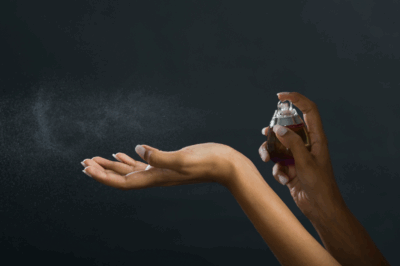
- Perfumes and body sprays
- Bath bombs and bubble baths
- Makeup and cosmetics
Household Items and Cleaning Products with Endocrine Disruptors
- Non-stick cookware – Contains PFAS “forever chemicals”
- Plastic food storage containers and wrap
- Plastic tableware and cookware
- Cleaning products and disinfectants
- Laundry detergents and fabric softeners
- Dish soaps and dishwasher detergents
Home Fragrance Products with Endocrine Disruptors
Anything that makes your home smell good is likely loaded with parabens and phthalates unless specifically labeled as “naturally fragranced” (and even then, it’s sometimes questionable):
- Scented candles
- Plug-in air fresheners
- Room sprays and aerosols
- Wax melts and synthetic diffuser oils
- Car air fresheners
- Scented cleaning products
Natural Alternatives That Actually Work

Chemical-Free Home Fragrance
Simmer Pots: Create beautiful, natural home fragrance by simmering water with:
- Citrus peels and cinnamon sticks
- Fresh herbs like rosemary, thyme, or mint
- Essential oil blends (use sparingly)
- Dried flowers and spices
Natural Essential Oils: Use high-quality, pure essential oils in diffusers (avoid synthetic fragrance oils)
Personal Care Swaps
- Choose products labeled “phthalate-free” and “paraben-free”
- Look for naturally fragranced or unscented options
- Make your own body oils using organic carrier oils
- Use castile soap-based cleansers
- Opt for mineral-based deodorants
Kitchen and Household
- Replace non-stick pans with stainless steel, cast iron, or ceramic
- Use glass containers for food storage
- Choose natural, plant-based cleaning products
- Make your own cleaning solutions with vinegar, baking soda, and essential oils
Ready to Take Control of Your Hormonal Health?
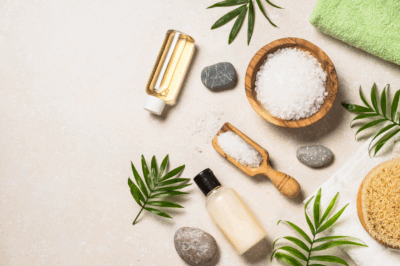
Making these environmental changes is an excellent first step that everyone can begin taking today. It’s as simple as NOT lighting that synthetic candle, unplugging the chemical air freshener, or choosing a natural body oil instead of a conventional lotion.
Want to Go Deeper?
Join Our Hands-On Workshop: The Awaken Wellness Collective will be hosting another in-person workshop in August of 2025, all around female hormone balance and optimization. Learn to make your own hormone-supporting personal care and home products in our upcoming workshop. You’ll leave with natural alternatives you’ve created yourself, plus the knowledge to continue making healthier choices. Email me if you’re interested in joining: Jordan@experiencewellnessIQ.com
Get the Complete Picture: Environmental toxins are just one piece of the hormone puzzle. Comprehensive functional lab testing can assess your hormones in their entirety, telling the complete story of what’s happening in your body and allowing us to address the root causes of hormonal imbalances.
The Power of Personalized Hormone Support
Every woman’s hormonal journey is unique. Factors like genetics, stress levels, nutrition, sleep patterns, and toxic load all influence how your hormones function. A personalized approach to hormone balance – starting with environmental cleanup and supported by comprehensive testing and targeted interventions – offers the best path to lasting hormonal health.
Simple First Steps You Can Take Today:
- Blow out synthetic candles and unplug air fresheners
- Switch to naturally fragranced personal care products
- Start using glass containers for food storage
- Create a simmer pot with natural ingredients
- Choose organic, chemical-free cleaning products
Your hormones have been under siege long enough. It’s time to create a home environment that supports your health instead of sabotaging it.
Ready to Transform Your Health?
If you’re tired of hormonal symptoms and ready to address the root causes, I’m here to help. Book a comprehensive consultation to discover how environmental toxins might be affecting your unique hormonal landscape and create a personalized restoration plan.
Join my live Thriving Through Perimenopause Webinar on Aug 14th, 2025, to learn how to improve your home environment, diet, and lifestyle to feel your best through this season of life! https://l.bttr.to/7NQcU
Book Your Consultation | Learn About Functional Lab Testing | Join Our Wellness Community and gain access to workshops, discounted services, free programs, and more!
Your hormones – and your health – are worth protecting.